
Travel Blogs
Why the Annapurna Region Is One of Nepal's Most Diverse Trekking Destinations
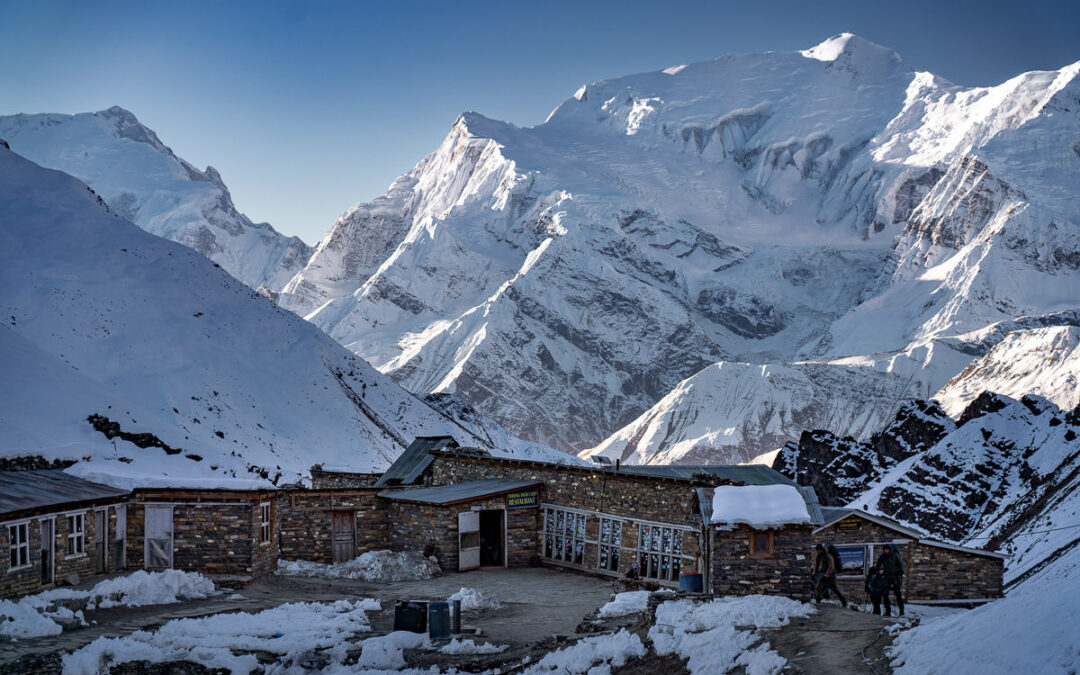
The Annapurna region is one of the most varied trekking destinations in Nepal. Rather than presenting a single type of mountain landscape, it brings together different environments that change noticeably along the trail.
A journey may begin among green hills and cultivated fields before continuing through rhododendron forests, riverside settlements and rugged mountain terrain. As elevation increases, the vegetation and climate gradually change, creating a journey through several distinct natural environments.
This diversity is one of the reasons trekkers return to the Annapurna region for different routes and experiences.
Mountain Landscapes That Change Along the Way
The Annapurna massif includes prominent peaks such as Annapurna I and Machhapuchhre, also known as Fishtail Mountain. Depending on the route and weather conditions, trekkers can enjoy different perspectives of these mountains throughout the journey.
The Annapurna Base Camp route leads into a dramatic mountain sanctuary surrounded by towering peaks. The Annapurna Circuit follows a longer journey through varied terrain and settlements, including the high Thorong La Pass. Mardi Himal offers a different perspective toward Machhapuchhre and the surrounding Annapurna range.
Each route provides its own combination of viewpoints, walking conditions and landscape features.
Traditional Villages and Terraced Farmland
The human landscape is another defining feature of Annapurna trekking. Many trails pass through settlements where traditional houses, terraced fields and local businesses remain part of everyday life.
Villages such as Ghandruk are known for their mountain surroundings and Gurung cultural heritage. Walking through these communities provides opportunities to appreciate regional architecture, local traditions and the relationship between mountain communities and their environment.
Travelers can gain a deeper understanding of the region by taking time to explore respectfully rather than treating villages only as stops along the route.
Forests, Rivers and Alpine Environments
Lower sections of many Annapurna trails feature lush vegetation, flowing rivers and forested hillsides. In spring, rhododendron forests can add vivid color to the landscape.
Higher sections often become more open and rugged. Trees gradually give way to alpine vegetation and exposed mountain terrain where weather conditions can change quickly.
These transitions create a strong sense of progression throughout the trek. The surroundings become noticeably different as the route moves away from inhabited valleys toward the higher Himalayas.
Choosing the Right Annapurna Trek
The Annapurna region offers routes suited to different interests and available travel time.
The Ghorepani Poon Hill Trek is popular with travelers seeking mountain viewpoints within a shorter itinerary. Mardi Himal appeals to those interested in a more focused mountain journey. Annapurna Base Camp takes trekkers deeper into the surrounding mountain landscape while the Annapurna Circuit offers a longer and more varied route.
The right choice depends on your walking experience, preferred scenery, available days and comfort with elevation changes.
The Best Time to Explore Annapurna
Spring and autumn are popular trekking seasons because they often provide favorable walking conditions and opportunities for mountain views. However, weather varies by elevation and individual route.
Spring brings fresh vegetation and blooming rhododendrons in many forested areas. Autumn often offers clear mountain panoramas following the monsoon season.
Winter and monsoon trekking may be possible on selected routes but require closer attention to local conditions and seasonal limitations.
Experience More Than a Mountain View
What makes the Annapurna region memorable is the relationship between its landscapes and communities. The journey moves through changing natural environments while revealing different aspects of rural life in the Nepalese Himalayas.
Whether you choose a short viewpoint trek or a longer circuit, Annapurna offers a rich combination of mountain scenery, cultural discovery and outdoor adventure.