
Annapurna

Country Profile
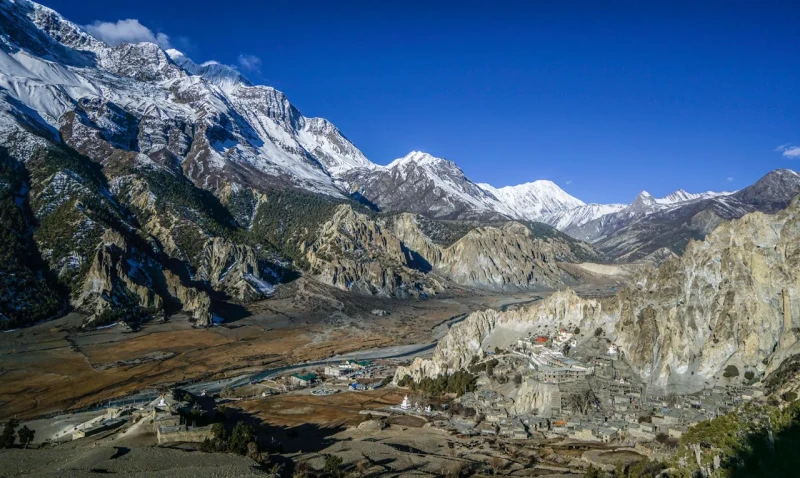
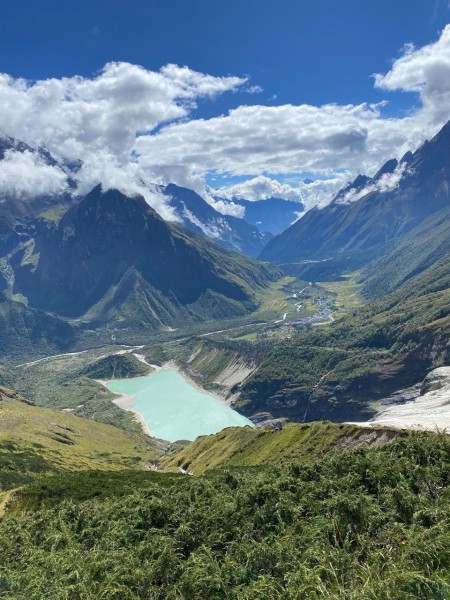
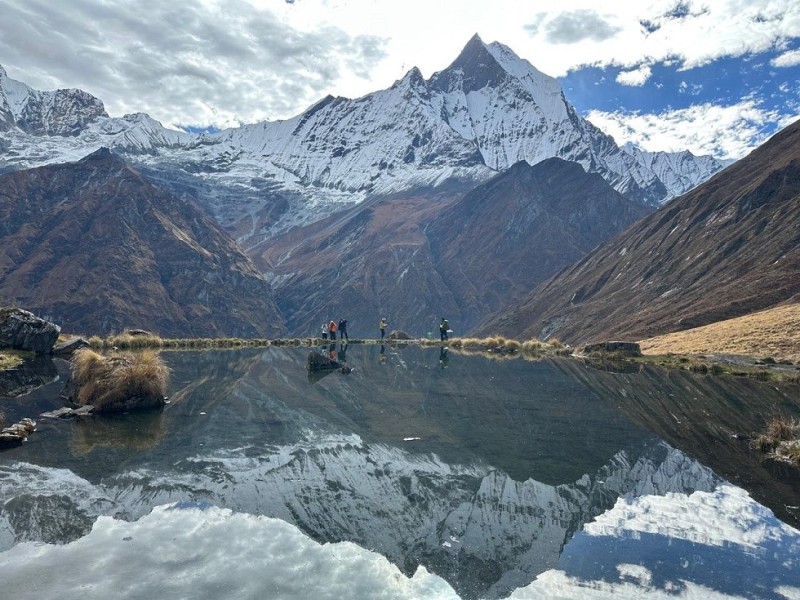
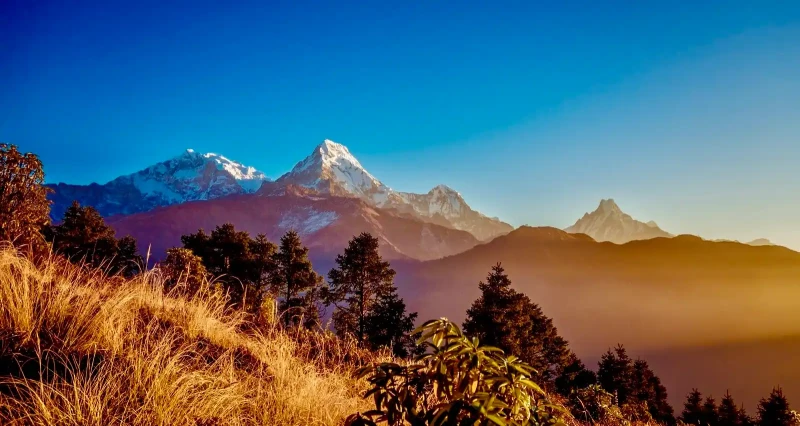
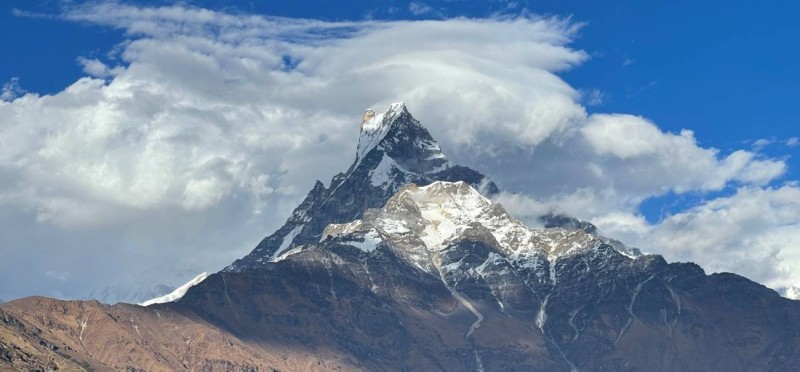
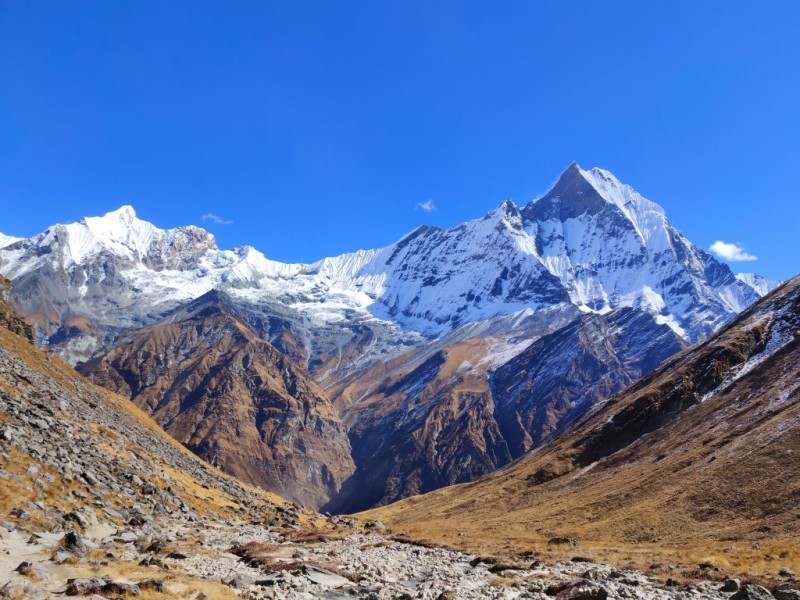
The Annapurna region, located in central-western Nepal, is protected within the boundaries of the Annapurna Conservation Area (ACAP), the country's largest protected region. Dominated by Mount Annapurna I at 8,091 meters alongside Mount Dhaulagiri at 8,167 meters and the iconic, sacred summit of Mount Machhapuchhre (Fishtail) at 6,993 meters, this high Himalayan sanctuary stands as one of the ultimate adventure destinations on Earth. Stretching from subtropical river valleys along the Modi Khola and Marsyangdi rivers to massive glacial basins and mountain passes exceeding 5,000 meters, the region provides an unparalleled combination of dramatic physical landscapes, ancient mountain heritage, and legendary local hospitality.
Trekking in the Annapurna region is not limited to a single trail; it encompasses a vast network of interconnected footpaths traversing three primary river valleys: the Modi Khola, Marsyangdi, and Kali Gandaki. Depending on physical endurance, timeframe, and travel preferences, hikers can choose from classic base camp journeys, challenging high-pass circuits, serene subalpine ridge walks, or trans-Himalayan desert explorations. Supported by well-established family-run teahouses, mountain infrastructure, and certified local guides, the Annapurna category offers options for both ambitious high-altitude hikers and travelers seeking iconic Himalayan views with comfortable lodge amenities.
Gurung and Magar Heritage and Mountain Traditions
The lower and mid-elevation slopes of the Annapurna region are the ancestral homeland of the Gurung and Magar people, while upper valleys are inhabited by Thakali and Manangi communities. Living in mountain villages like Ghandruk, Landruk, Ghorepani, and Manang, these communities have developed unique cultures deeply interwoven with Tibetan Buddhism, Hinduism, and mountain life.
Along every trail, trekkers encounter sacred cultural monuments. Protocols require passing carved mani stones, chortens, and prayer flag wheels on the left-hand side (clockwise direction) as a sign of respect. High-altitude monasteries and sacred sites, most notably Braga Gompa and the holy pilgrimage complex of Muktinath, serve as spiritual sanctuaries where pilgrims and trekkers pause for prayer ceremonies and blessings before they proceed to higher elevations.