
Everest

Country Profile
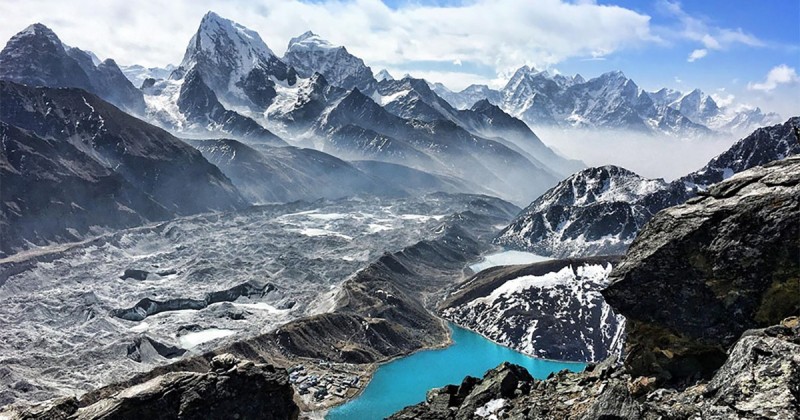
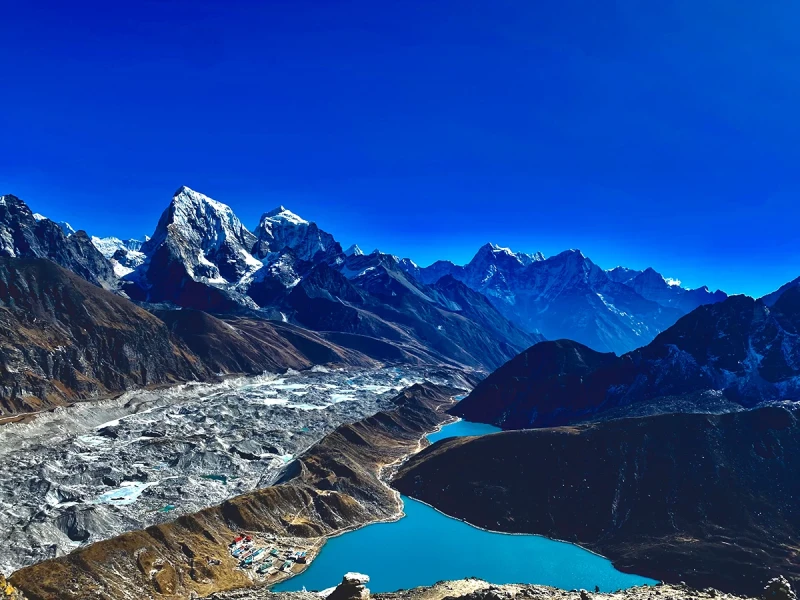
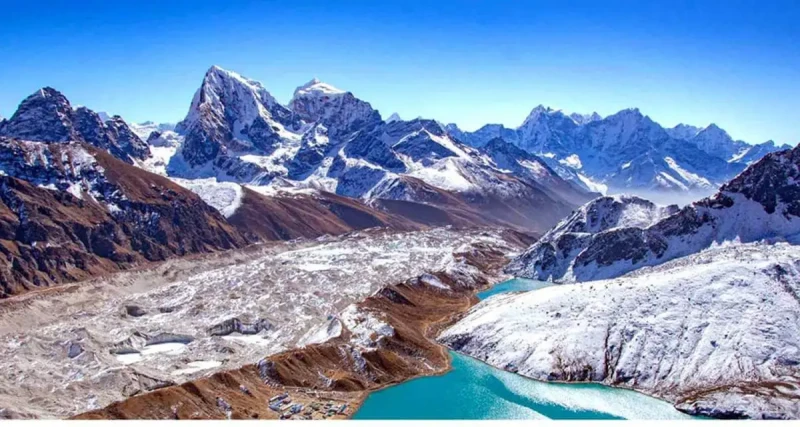
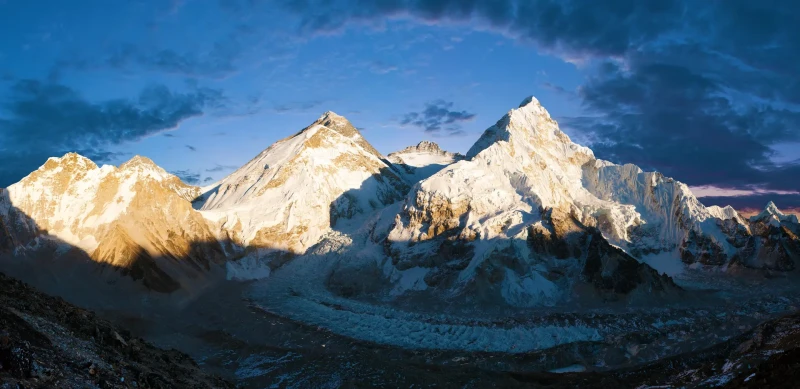
The Everest region, known locally as the Khumbu, is nestled in northeastern Nepal within the protected boundaries of Sagarmatha National Park, a UNESCO World Heritage Site. Dominated by Mount Everest (Sagarmatha in Nepali and Chomolungma in Sherpa) at 8,848.86 meters, this high Himalayan sanctuary stands as one of the ultimate adventure destinations on Earth. Stretching from lush, mid-hill river valleys along the Dudh Koshi River to massive glacial basins and mountain passes exceeding 5,000 meters, the region provides an unparalleled combination of dramatic physical landscapes, ancient Tibetan Buddhist heritage, and legendary Sherpa hospitality.
Trekking in the Everest region is not limited to a single trail; it encompasses a vast network of interconnected footpaths traversing four primary alpine valleys: the Imja, Khumbu, Gokyo, and Bhote Koshi. Depending on physical endurance, timeframe, and travel preferences, hikers can choose from classic base camp journeys, challenging high-pass circuits, serene glacial lake explorations, or introductory peak-climbing expeditions. Supported by well-established family-run teahouses, mountain infrastructure, and certified local guides, the Everest category offers options for both ambitious high-altitude hikers and travelers seeking iconic Himalayan views with comfortable lodge amenities.
Sherpa Heritage and Mountain Traditions
The Everest region is the ancestral homeland of the Sherpa people, who migrated from eastern Tibet over five centuries ago. Living in high-altitude villages like Namche Bazaar, Khumjung, Pangboche, and Thame, the Sherpa community has developed a unique culture deeply interwoven with Nyingma Tibetan Buddhism and mountain life.
Along every trail, trekkers encounter sacred cultural monuments. Protocols require passing carved mani stones, chortens, and prayer flag wheels on the left-hand side (clockwise direction) as a sign of respect. High-altitude monasteries, most notably Tengboche Gompa and Pangboche Gompa (the oldest monastery in the region), serve as spiritual sanctuaries where monks conduct daily prayer ceremonies and bless climbers and trekkers before they proceed to higher elevations.