
Travel Blogs
Your First Trek in Nepal: What to Expect on the Trail
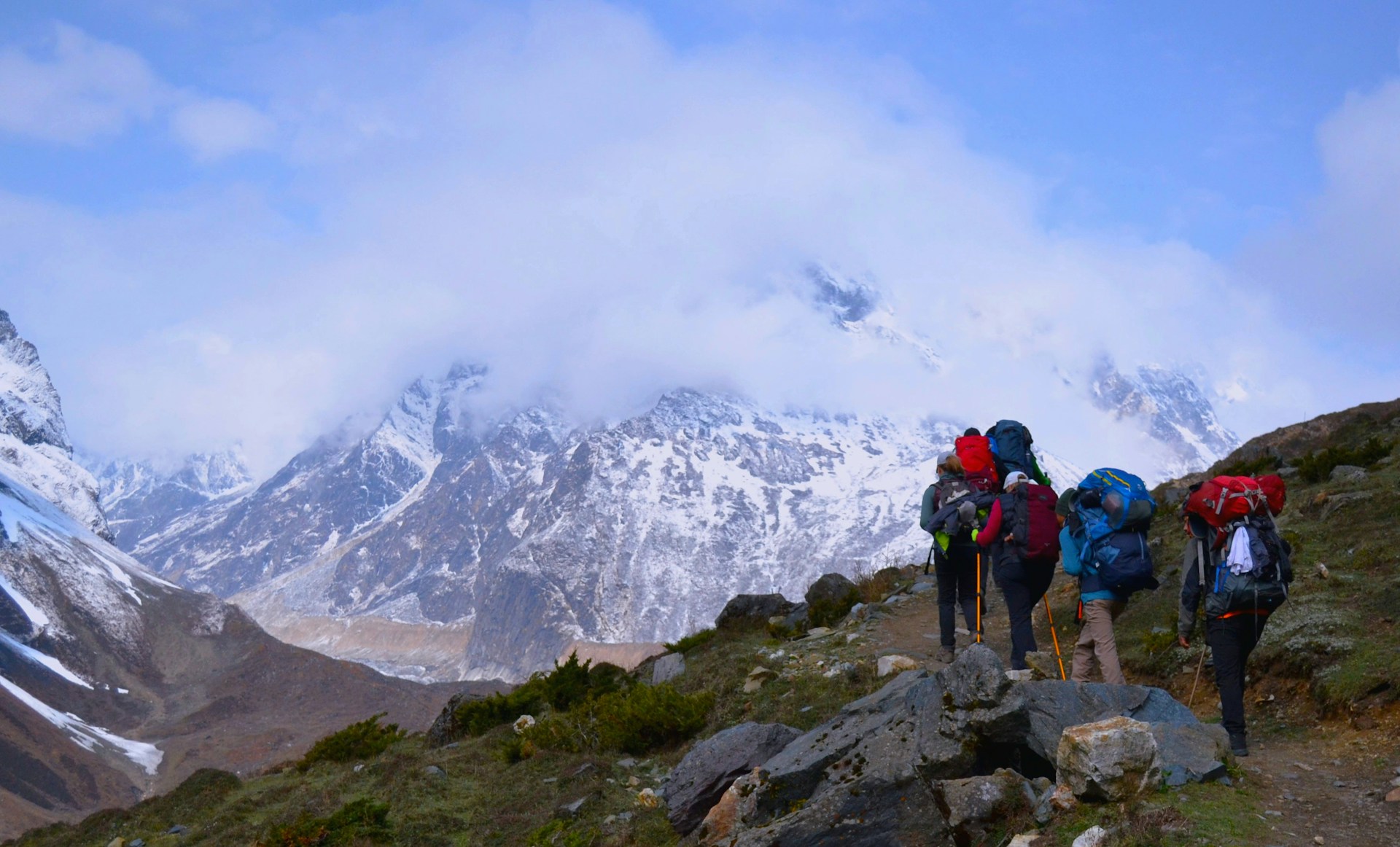
For many travelers, trekking in Nepal is their first experience of spending several consecutive days walking through mountainous terrain. The journey can feel very different from a conventional holiday because the landscape changes gradually with every step.
You may begin the day in a green valley surrounded by farmland before following a rocky trail into a forest or reaching a settlement with expansive mountain views. Each section introduces a different aspect of the Himalayan environment.
The experience is not only about reaching a famous destination. It is also about appreciating the smaller moments along the way.
The Rhythm of a Typical Trekking Day
A trekking day usually begins with breakfast and preparation for the walk ahead. After checking the day's route, you set off at a comfortable pace with time for short breaks and meals along the way.
Walking durations depend on the itinerary, terrain and elevation changes. Some days involve gradual climbs through forests while others include longer ascents, descents or exposed sections of trail.
The pace should allow you to enjoy the surroundings without exhausting yourself early in the day. Taking regular breaks can make a considerable difference to your overall experience.
Arriving at the day's destination leaves time to settle in, explore the nearby village or simply enjoy the changing light over the mountains.
Understanding the Trail Conditions
Nepal's trekking routes are diverse. Established trails may include stone steps, suspension bridges, forest paths, uneven ground and sections of rocky terrain.
Some routes pass through busy settlements with small shops and other trekkers. Others travel through quieter valleys where facilities and passing traffic are limited.
Walking conditions can also change with the season. Rain may make trails slippery while dry weather can create dusty sections. Being prepared for different surfaces helps you adjust more comfortably.
The Beauty of Moving Slowly
One of the most rewarding aspects of trekking is experiencing the landscape at walking speed. Instead of passing quickly between destinations, you have time to notice details that might otherwise go unnoticed.
You may see farmers tending terraced fields, prayer flags moving in the mountain breeze or sunlight spreading across distant peaks. These everyday scenes give the journey a character that extends beyond its major viewpoints.
Taking photographs, pausing at scenic locations and learning about the places you pass through can make the experience more personal.
Building Confidence During Your First Trek
You do not need to be an experienced mountaineer to begin trekking in Nepal. However, choosing a suitable route and preparing for consecutive days of walking are important.
Regular walking, hill climbs and other moderate physical activities before departure can help you become more comfortable with sustained movement. Your itinerary should also reflect your current fitness and previous outdoor experience.
Avoid comparing your pace with other trekkers. People adapt differently to elevation, terrain and daily walking demands.
Making the Most of Your Journey
Your first trek may include challenging climbs, tired legs and unexpected changes in the weather. These are normal parts of spending time outdoors in a mountain environment.
A flexible attitude allows you to appreciate the experience without expecting every day to follow a perfect schedule. Listen to your guide's advice and communicate openly if you need to adjust your pace.
Most importantly, remember that trekking is not simply a race toward a destination. The landscapes, villages and moments along the trail are equally important parts of the journey.
With a suitable itinerary and realistic expectations, your first trek in Nepal can become the starting point for many future adventures.