Everest
EBC Gokyo by Cho La pass 14 days
Trip Code: Evrst1234
A complete high-altitude circuit connecting Everest Base Camp and the sacred turquoise Gokyo Lakes across the glacier-clad Cho La Pass (5,420m). Trekkers summit both Kala Patthar and Gokyo Ri for expansive panoramas of four 8,000-meter giants without retracing the full downhill path.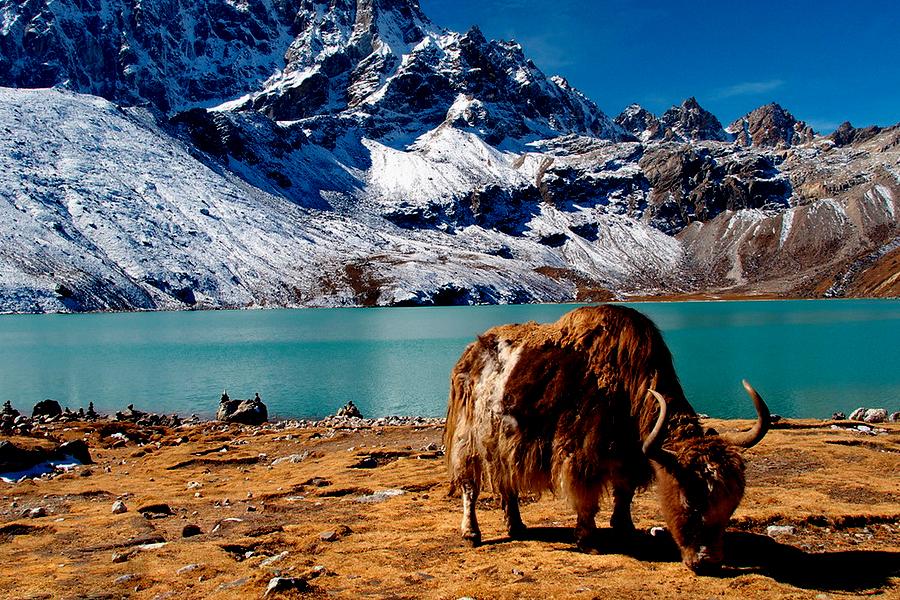






Overview
The 14 days Everest Base Camp and Gokyo Lakes via Cho La Pass trek is a premier high altitude circuit across the Khumbu region of Nepal. Reaching a maximum elevation of 5,545 meters at the summit of Kala Patthar, this comprehensive expedition connects two iconic Himalayan valleys through the high mountain crossing of Cho La Pass at 5,420 meters. Starting and ending in Kathmandu with scenic domestic flights to Lukla, the trail leads trekkers along the Dudh Koshi River to Namche Bazaar, moves eastward toward Everest Base Camp at 5,364 meters, crosses the glacier-clad Cho La Pass, then enters the tranquil Gokyo Valley home to turquoise glacial lakes and the Ngozumpa Glacier.
Trip Highlights
- Reaching Everest Base Camp: Walk onto the Khumbu Glacier to stand directly at the foot of Mount Everest and the frozen Khumbu Icefall at 5,364 meters.
- Crossing Cho La Pass: Navigate the dramatic high mountain pass at 5,420 meters, crossing snowfields and glaciated rock ridges connecting the Khumbu and Gokyo valleys.
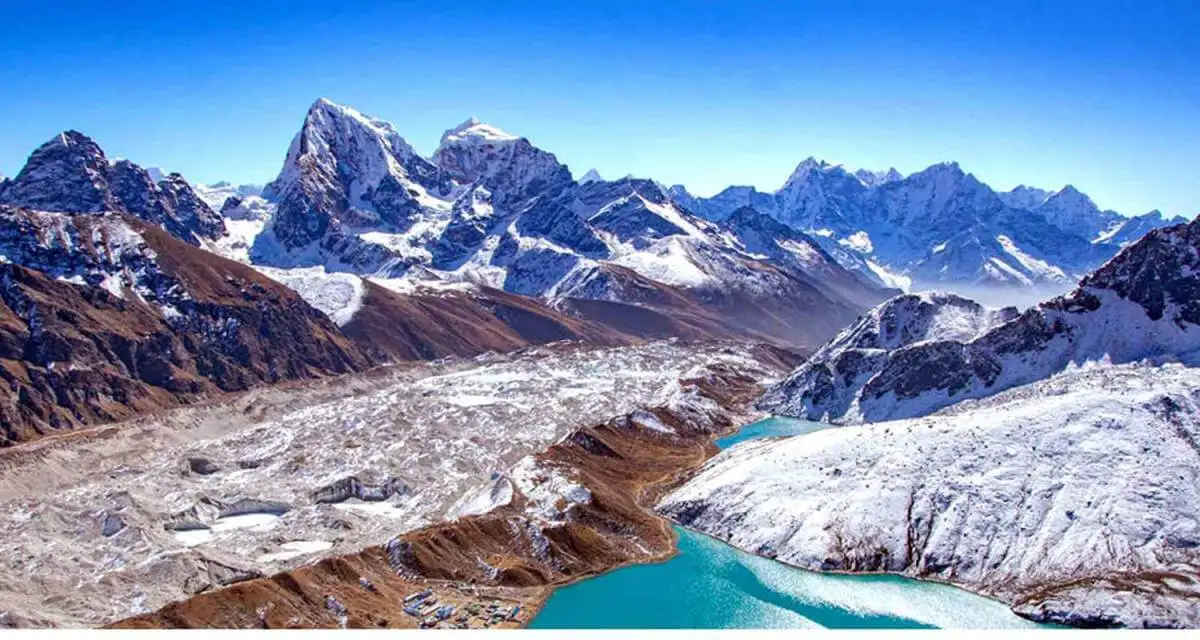
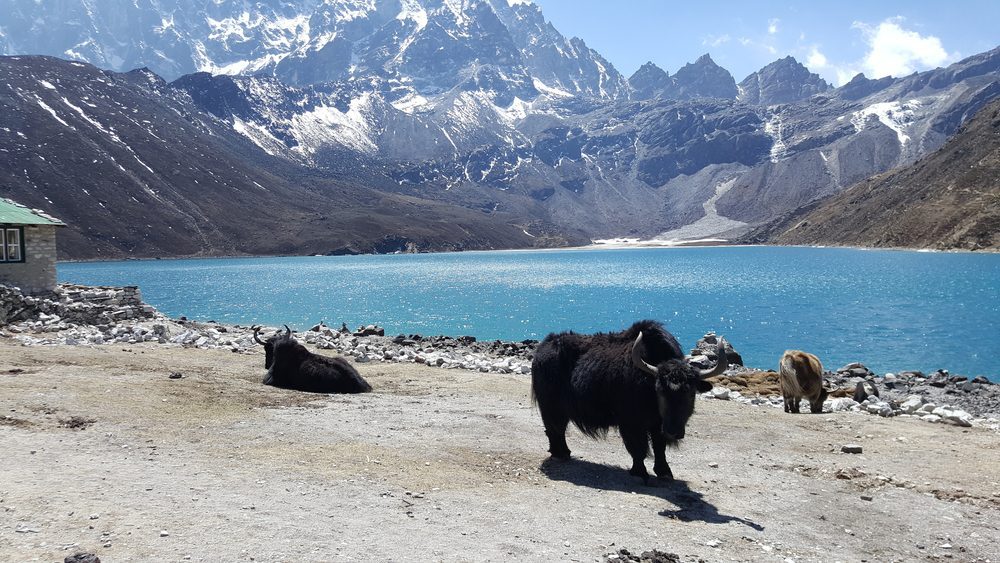
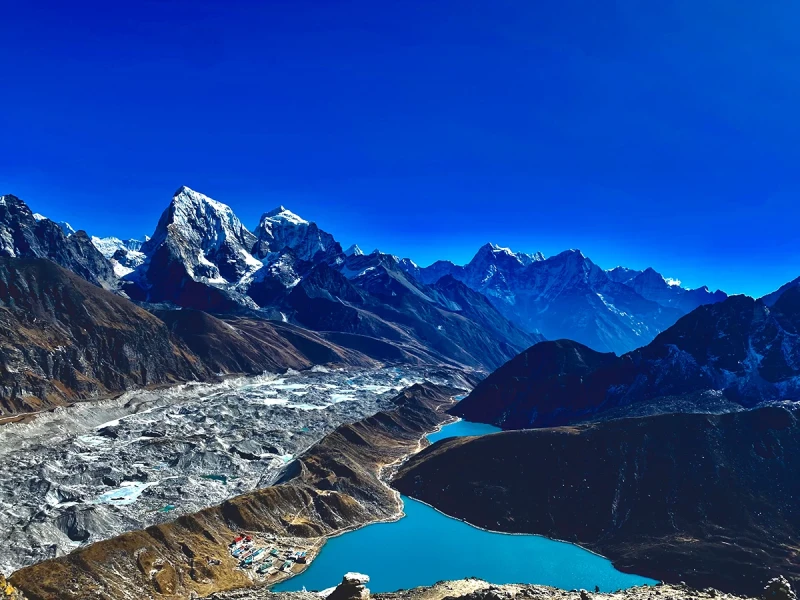
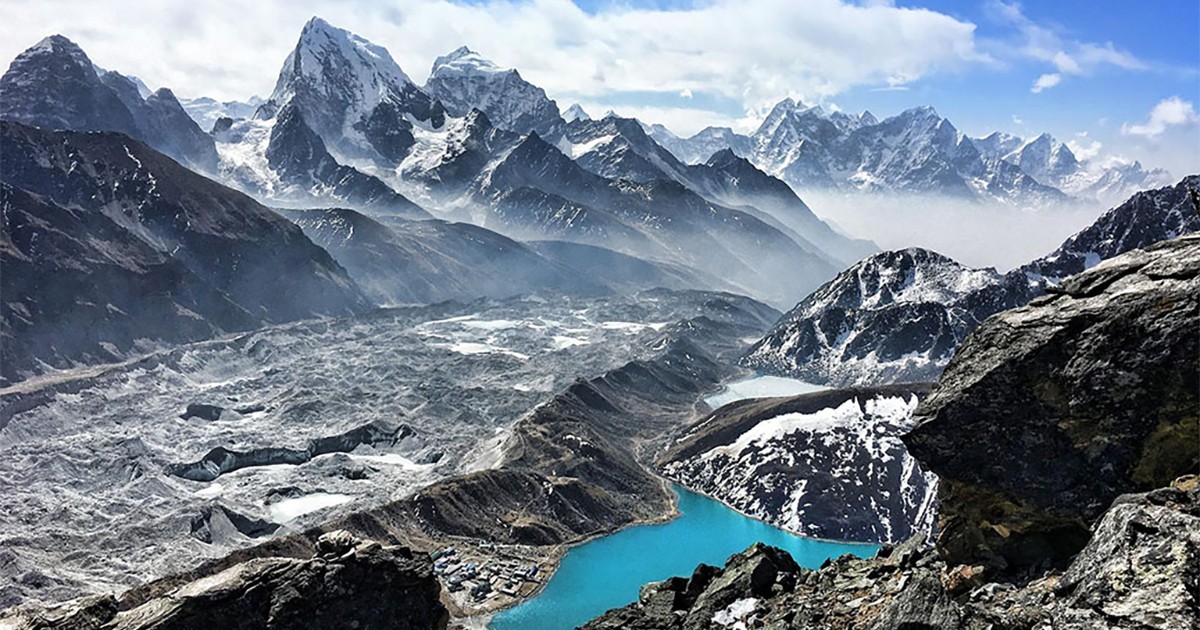
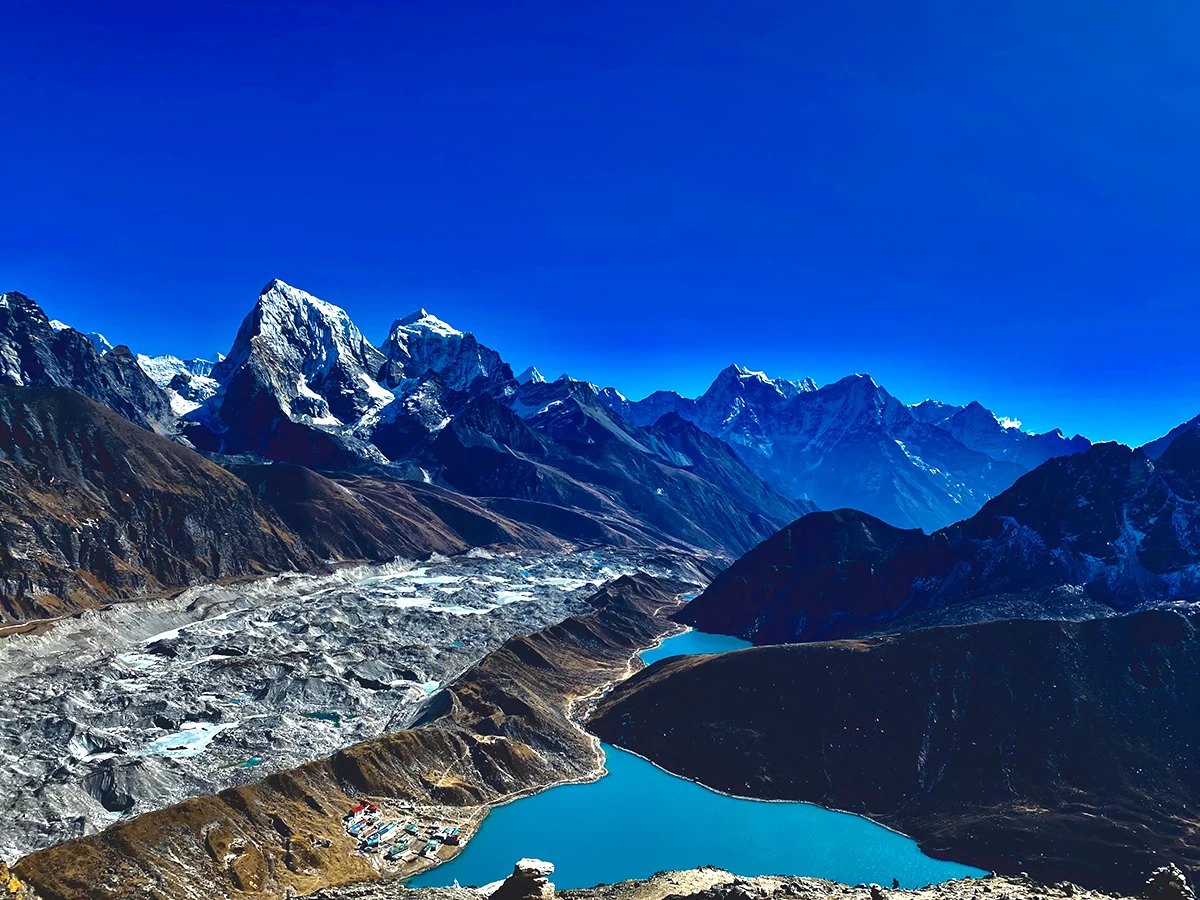
- Exploring the Sacred Gokyo Lakes: Marvel at the high altitude turquoise glacial lakes of Gokyo, situated alongside the massive Ngozumpa Glacier.
- Twin High Viewpoints of Kala Patthar and Gokyo Ri: Ascend Kala Patthar at 5,545 meters and Gokyo Ri at 5,360 meters for expansive views of four 8,000-meter giants including Everest, Lhotse, Makalu and Cho Oyu.
- Iconic Sherpa Culture and Tengboche Monastery: Visit historic Buddhist monasteries, carved mani walls and mountain villages including Namche Bazaar, Tengboche and Khumjung.
- Complete Himalayan Circuit Route: Experience a circular trek through diverse landscapes, bypassing repetitive downhill routes by crossing high alpine passes.
Practical Planning and Traveler Guide
The 14 days Everest Base Camp and Gokyo Lakes via Cho La Pass trek is a strenuous high altitude expedition that requires advanced physical conditioning. Trekkers should begin targeted physical training at least 8 to 12 weeks prior to departure, focusing on cardiovascular endurance, leg strength and core stability. Exercises such as long-distance running, cycling, weighted stair workouts and mountain hiking build the stamina needed for 6 to 9 hours of daily walking over steep, uneven terrain and glaciated passes. Carrying two adjustable trekking poles is essential to assist balance across loose scree fields and snow trails while reducing strain on knees during long downhill descents. Spring from March to May and autumn from September to November offer stable weather, minimal rainfall and exceptional visual clarity across high mountain passes.
Altitude Awareness and Pacing
Crossings above 5,000 meters at Everest Base Camp, Kala Patthar, Cho La Pass and Gokyo Ri place significant physical demands on the body, making altitude safety and measured physical pacing crucial. Trekkers must maintain a slow and consistent walking speed, avoiding overexertion on steep inclines. Consuming 3 to 4 liters of clean water daily supports acclimatization and prevents high-altitude dehydration. Travelers must continuously monitor for early symptoms of Acute Mountain Sickness including persistent headaches, nausea, loss of appetite, dizziness and unusual fatigue. Communicating any physical discomfort immediately to your mountain guide is essential, as descending to lower elevations remains the primary remedy for persistent symptoms.
Required Permits
All foreign trekkers undertaking the Everest Base Camp and Gokyo Lakes circuit must secure two mandatory official permits before setting out.
- Sagarmatha National Park Entry Permit: Supports environmental conservation and entry into protected park lands, costing 3,000 Nepalese Rupees (approximately 22 to 25 US Dollars) for foreign nationals and 1,000 Nepalese Rupees for SAARC nationals.
- Khumbu Pasang Lhamu Rural Municipality Permit: Replaced the traditional TIMS card in the Khumbu region to support local infrastructure and trail maintenance, costing 2,000 to 3,000 Nepalese Rupees (approximately 15 to 22 US Dollars).
- Registration Details: Both permits are processed at official entry counters in Lukla and Monjo. Travelers must carry their valid passport along with physical passport photos for registration checks along trail checkpoints.
Teahouse and Dining
Accommodations along the Cho La Pass circuit consist of family run mountain teahouses providing twin share rooms with wooden beds, foam mattresses and shared bathroom facilities.
- Teahouse Amenities: Dining rooms are heated by central stoves in the evening, serving as warm gathering places. Charging electronic devices costs between $3.2 to $19.75 USD per session, while wireless internet cards range from $3.29 to $7.90 USD depending on elevation. Remote settlements like Dzongla and Thangnak rely on solar power, making power availability variable during cloudy days.
- Nutritious Meals: Teahouse kitchens prepare energy rich meals including traditional Dal Bhat made with rice, lentil soup and vegetable curry that includes complementary refills. Warm porridge, noodle soups, momos, eggs and hot teas are widely available. Single use plastic bottles are restricted in higher regions, so trekkers carry reusable bottles filled with boiled or purified water.
Itinerary
The adventure begins early in the morning with a transfer to the airport for a scenic mountain flight to Tenzing-Hillary Airport in Lukla at 2,860 meters. Flying over terraced hillsides and snow-capped peaks, the twin-otter aircraft touches down on the sloped runway in Lukla. Upon meeting the local mountain guide and porters, trekkers organize gear and begin walking down stone-paved paths through the mountain town.
Stepping onto the main footpath, the trail descends gently into the Dudh Koshi River valley past traditional Sherpa hamlets such as Chheplung and Ghat. Trekkers pass carved mani stones, spinning prayer wheels and hanging prayer flags while taking in views of Kusum Kanguru. The easy introductory walk follows forested riverbanks to Phakding at 2,610 meters, where travelers check into comfortable teahouses for an overnight stay.
Leaving Phakding after breakfast, the trail heads north along the banks of the Dudh Koshi River, crossing several high suspension bridges hung across the gorge. The path passes through Tok Tok and Bengkar before reaching Monjo, the official entrance gate to Sagarmatha National Park. After park permits are registered, the route descends to Jorsale and follows the riverbank to the high Hillary Suspension Bridge.
Crossing the suspension bridge brings the trek to its first sustained physical challenge, a steep climb up Namche Hill through scented pine forests. At a clearing halfway up the trail, trekkers stop at a mountain viewpoint to catch their first distant sight of Mount Everest peaking over the Lhotse ridge. Continuing up stone switchbacks, the trail opens into the horseshoe-shaped mountain amphitheater of Namche Bazaar at 3,440 meters for an overnight teahouse stay.
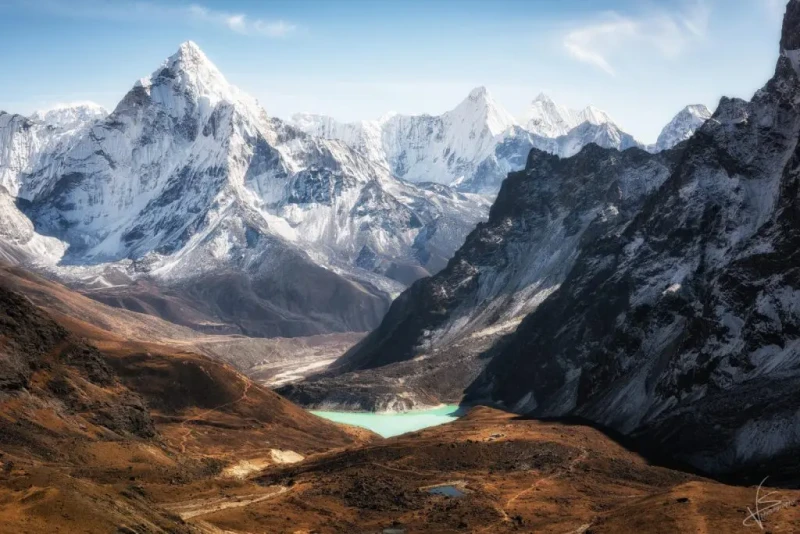
A mandatory acclimatization day in Namche Bazaar allows the body time to adapt to lower oxygen levels before advancing higher into the mountains. In the morning, trekkers undertake an acclimatization hike up to the Everest View Hotel at 3,880 meters or the high Sherpa villages of Khumjung and Khunde. The ridge walk rewards hikers with clear views of Everest, Lhotse, Nuptse, Ama Dablam and Thamserku.
Returning to Namche Bazaar by midday, the afternoon offers leisure time to explore the commercial hub of the Khumbu region. Trekkers can visit the Sherpa Culture Museum, browse local shops, visit high-altitude bakeries and observe traditional mountain life. Spending a second night in Namche Bazaar helps build essential endurance and red blood cell production for the days ahead.
The journey continues along a high contour trail cut into the mountain slope, offering wide panoramas of Ama Dablam, Lhotse and Mount Everest. The path winds past rhododendron groves and pine woods before making a long descent down to the riverbed at Phunki Tenga. Phunki Tenga serves as a popular lunch stop near water-driven prayer wheels before beginning the afternoon climb.
Crossing the river bridge, the trail ascends steeply through shaded pine and birch woodlands for two to three hours. Emerging onto a wide ridge top, trekkers arrive at Tengboche at 3,860 meters, home to the famous Tengboche Monastery. Travelers can attend late afternoon Buddhist prayer ceremonies and watch golden sunset light illuminate the peak of Ama Dablam directly behind the village.
Leaving Tengboche in the morning, the trail descends through birch and rhododendron woods to the small hamlet of Debuche. Crossing the Imja Khola River via a steel suspension bridge, the footpath climbs past ancient stone mani walls to Upper Pangboche at 3,980 meters, where trekkers can view the historic village monastery and towering rock faces of Ama Dablam.
Continuing past Somare, the lush forest canopy disappears, giving way to open subalpine shrubland and rocky alpine terrain. The trail climbs gently into the wide Imja Valley, following stone-walled fields constructed to protect crops from severe mountain winds. By late afternoon, trekkers reach Dingboche at 4,410 meters for a warm teahouse stay.
Leaving Dingboche, the trail traverses a high alpine plateau toward Dughla, offering wide views of Taboche, Cholatse and the valley floor below. Crossing a glacial stream flowing from the Khumbu Glacier, trekkers reach the small hamlet of Dughla at 4,620 meters for a brief rest before starting the steep climb up Dughla Pass.
Climbing up Dughla Pass brings trekkers to the poignant memorial site dedicated to mountaineers and Sherpas who lost their lives on Everest expeditions. Stone chortens covered in colorful prayer flags line the ridge top. From the pass, the trail follows the lateral moraine of the Khumbu Glacier to the windswept settlement of Lobuche at 4,940 meters for an overnight stay.
The day begins early with a trek over rocky glacial moraine and loose gravel along the edge of the Khumbu Glacier. Navigating undulating glacial tracks, trekkers reach Gorak Shep at 5,164 meters by late morning, check into their teahouse, leave heavy packs behind and enjoy a quick meal before setting out for Base Camp.
The footpath from Gorak Shep to Everest Base Camp winds along the lateral moraine of the Khumbu Glacier for two to three hours. Arriving at Everest Base Camp at 5,364 meters, trekkers stand directly on the frozen glacier beneath the Khumbu Icefall. After capturing photos and celebrating the milestone, travelers retrace their steps back across the glacier to Gorak Shep for an overnight stay.
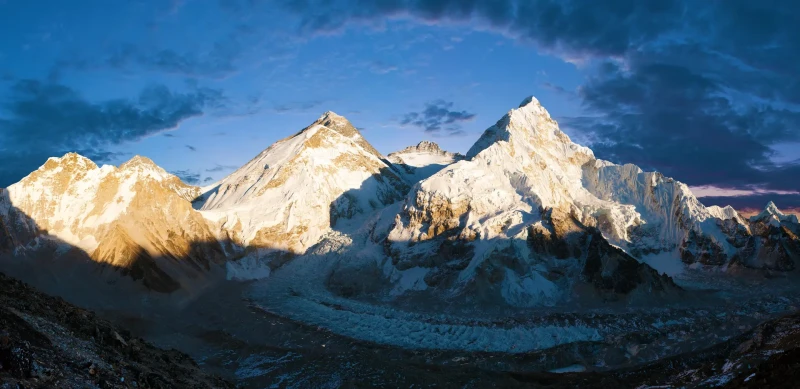
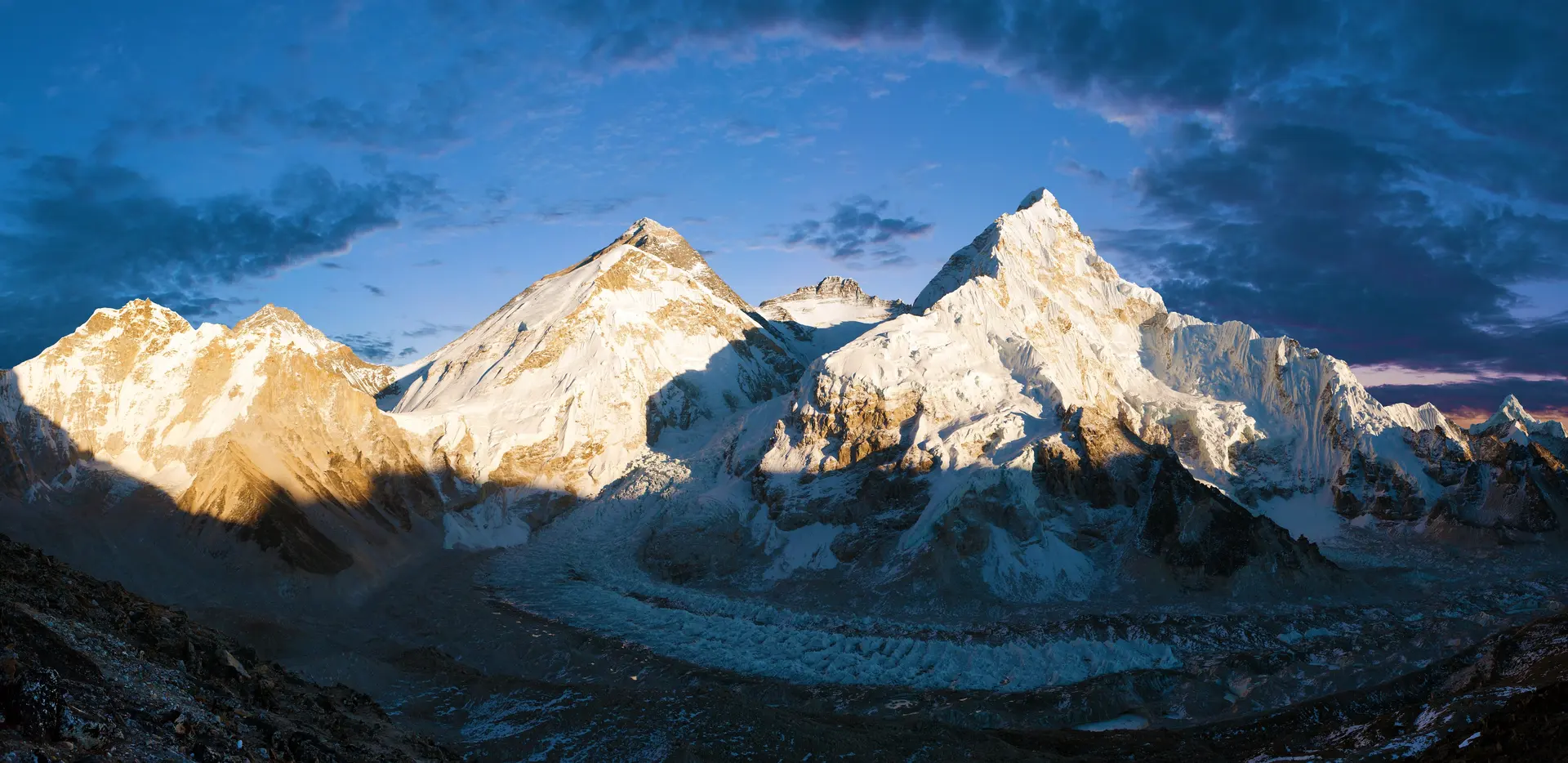
Trekkers wake pre-dawn around 4:30 AM for a cold climb up the steep switchbacks of Kala Patthar at 5,545 meters. Reaching the summit before sunrise, travelers watch early morning light illuminate Mount Everest, Nuptse, Pumori and the vast Khumbu Glacier. Kala Patthar provides the highest elevation point of the trek and the most complete vantage point of Everest's summit.
Descending back to Gorak Shep for breakfast, trekkers pack their gear and begin retracing the trail down toward Lobuche. The route branches off the main path toward the quiet valley settlement of Dzongla at 4,830 meters. Nestled beneath the towering north face of Cholatse, Dzongla offers cozy teahouse lodging and early rest in preparation for crossing Cho La Pass.
The most challenging day of the circuit begins before dawn with a steady climb out of Dzongla toward the foot of Cho La Pass. The trail navigates steep boulder fields, rocky gullies and snow slopes, requiring careful footwork along iced mountain trails. Upon reaching the crest of Cho La Pass at 5,420 meters, trekkers are rewarded with sweeping views of Cholatse, Ama Dablam and surrounding ice fields.
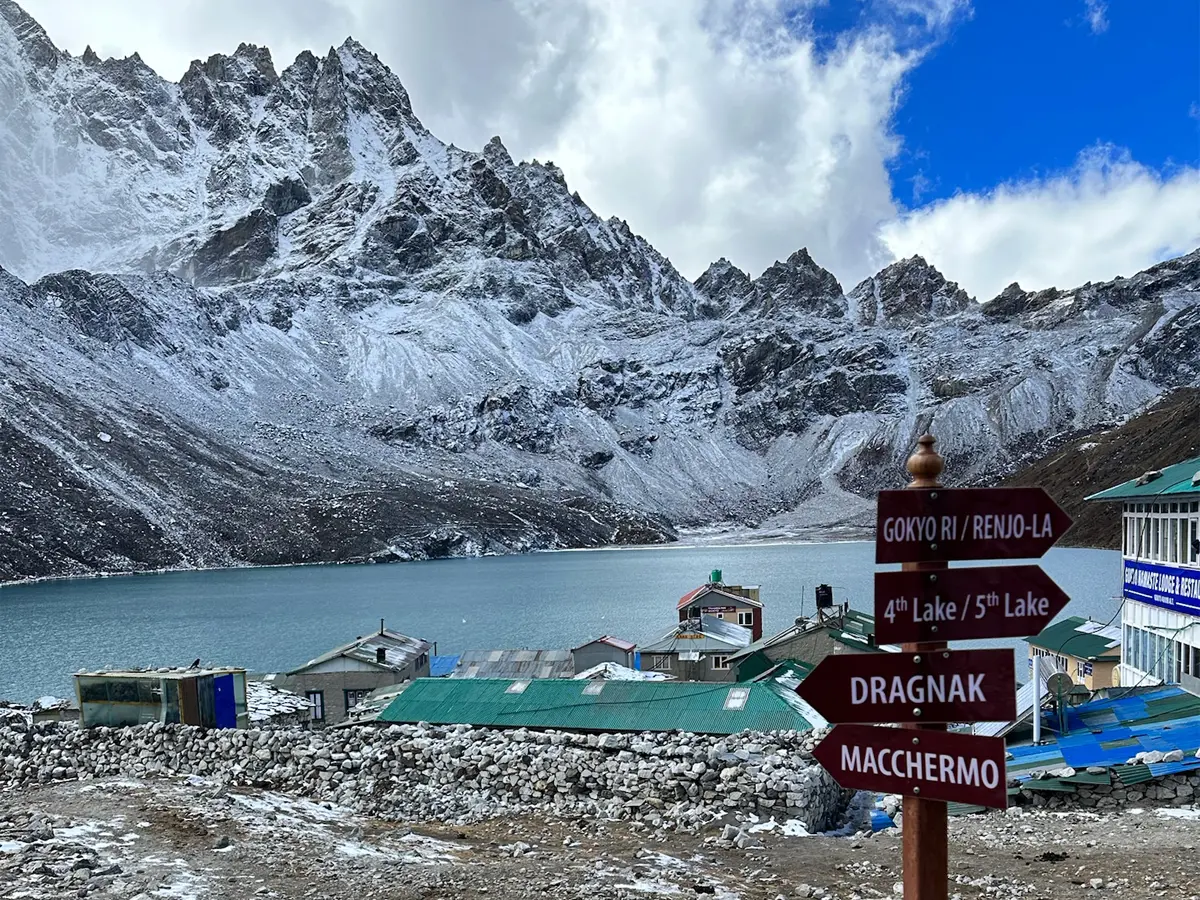
The descent from the pass involves carefully navigating a snowfield and steep rock scree down into the valley of Thangnak. After taking a well earned rest break, the trail crosses the moraine and boulder fields of the massive Ngozumpa Glacier, the longest glacier in the Himalayas. Emerging on the western side of the glacier brings trekkers into the serene settlement of Gokyo at 4,790 meters, resting beside the third glacial lake for an overnight stay.
An early morning hike leads up the steep grassy slopes of Gokyo Ri at 5,360 meters to catch sunrise over the Himalayan range. The summit provides panoramas of four 8,000-meter peaks including Mount Everest, Lhotse, Makalu and Cho Oyu, alongside the turquoise Gokyo Lakes and Ngozumpa Glacier below.
After descending to Gokyo for breakfast, trekkers begin the return journey down the Gokyo Valley. The trail follows the Dudh Koshi River downward, passing the second and first lakes before descending through Machhermo and Luza. Re-entering mountain shrubland and forests, trekkers arrive at Dole at 4,200 meters for an overnight teahouse stay in warmer air.
Leaving Dole, the path descends steeply through shaded forests of rhododendron, bamboo and birch toward Phortse Tenga. Crossing the river, the trail ascends a series of stone switchbacks up to Mong La at 3,970 meters, a hilltop pass offering views of Ama Dablam, Kantega and Thamserku.
From Mong La, the trail contours along hillside slopes before joining the main Everest highway near Sanasa. Easy downhill walking leads past Kyangjuma back into the Sherpa capital of Namche Bazaar at 3,440 meters. Returning to lower elevations, trekkers can enjoy hot showers, bakeries and teahouse relaxation.
The final full day on the trail involves a long downhill descent from Namche Bazaar back to Lukla. The trail descends the steep stone switchbacks of Namche Hill, crossing the Hillary Suspension Bridge and exiting Sagarmatha National Park at Monjo. Trekkers continue past Bengkar, Phakding and Ghat along the Dudh Koshi River valley.
The final section requires a gentle uphill climb from the riverbed back to the mountain town of Lukla at 2,860 meters. Upon reaching Lukla, trekkers complete their circular foot trek. The evening is spent celebrating with mountain guides, porters and team members at a local lodge.
Trekkers board an early morning domestic flight from Lukla back to Kathmandu or Ramechap, taking in final aerial views of the Himalayan range from the plane window. Upon landing at the airport, private transport transfers travelers back to their hotel in Kathmandu.
The remainder of the day is free for resting, hot showers and personal leisure. Travelers can spend the afternoon exploring the colorful streets of Thamel, shopping for local crafts or visiting local cafes. An overnight stay in Kathmandu provides well earned rest after two weeks in the high mountains.
The final day offers free time in Kathmandu depending on flight schedules. Travelers can enjoy a quiet morning shopping for souvenirs in Thamel or visiting historic cultural monuments such as Boudha or Basantapur.
At the designated time, private vehicle transport transfers travelers to Tribhuvan International Airport for their international departure flights. Day 14 marks the formal conclusion of the 14 day Everest Base Camp and Gokyo Lakes via Cho La Pass expedition.
Cost Include
- Domestic flight tickets between Kathmandu or Ramechap and Lukla including airport taxes.
- Airport transfers in Kathmandu via private vehicle
- Sagarmatha National Park Entry Permit and Khumbu Pasang Lhamu Rural Municipality Permit fees.
- Teahouse accommodation throughout the 13 nights 14 days trekking itinerary.
- Hotel accommodation in Kathmandu as specified in the package.
- Drinking water, a sleeping bag, and daily breakfast, lunch, and dinner throughout the trekking period.
- Licensed, Experienced English-Speaking Trekking Guides and Professional Support Porters
- All applicable government taxes and service charges.
Cost Exclude
- International flight fares to and from Nepal along with Nepal entry visa fees.
- Personal travel, medical and high-altitude emergency helicopter evacuation insurance.
- Personal expenses such as laundry, hot showers, Wi-Fi access and electronic device charging fees.
- Soft drinks, alcoholic beverages, espresso coffees and extra snacks.
- Tips for mountain guides, drivers and porters.
- Personal trekking gear, sleeping bags and down jackets.
Important Notes
- Flight Operations and Ramechap Redirection: During peak trekking seasons in spring and autumn, Lukla flights frequently operate from Ramechap Airport rather than Kathmandu, requiring a 4 to 5 hour early morning road drive from Kathmandu to Ramechap.
- Buffer Days for Weather Delays: High mountain weather in Lukla and Cho La Pass can cause sudden flight delays or pass closures, making it essential for travelers to carry flexible buffer days in their travel schedule.
- Technical Footwear and Microspikes: Crossing Cho La Pass involves walking over icy trails and snowfields, making sturdy waterproof hiking boots and lightweight microspikes highly recommended for traction.
- Essential High-Altitude Clothing: Pack moisture-wicking thermal base layers, fleece mid-layers, a high quality down jacket rated for negative temperatures, windproof outer trousers and jacket, warm gloves and a thermal beanie.
- Key Trekking Equipment: Bring a sleeping bag rated from -10°C to -15°C, a sturdy 30 to 40 liter daypack with a rain cover, UV protection sunglasses, high SPF sunscreen, a headlamp with extra batteries and two trekking poles.
- Cash Provisions: Carry sufficient Nepalese cash from Kathmandu or Namche Bazaar for personal expenditures, extra meals and teahouse services, as ATMs are unavailable past Namche Bazaar.
Photo Gallery