Annapurna
Mardi Himal 4 nights 5 days
Trip Code: MAR2345
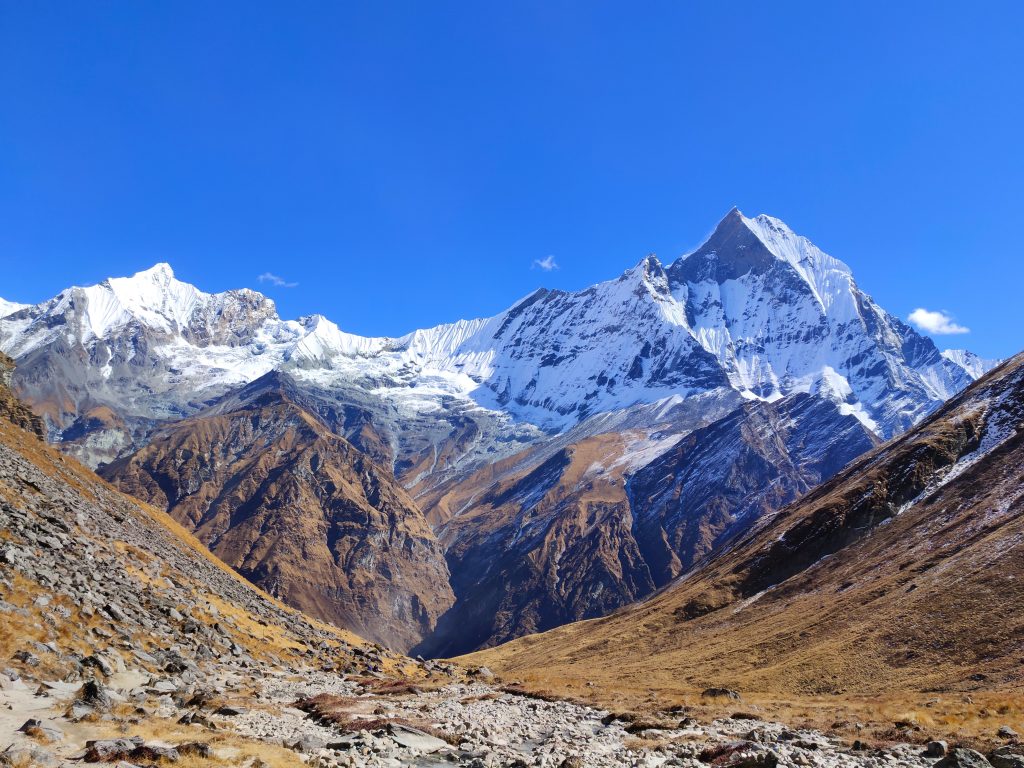
A short ridge-walking trek through oak and rhododendron forests in the lower Annapurna region ending at Mardi Himal Base Camp (4,500m). It provides eye-level panoramas of Mount Machhapuchhre and Annapurna South with quiet trails and seamless Pokhara transfers.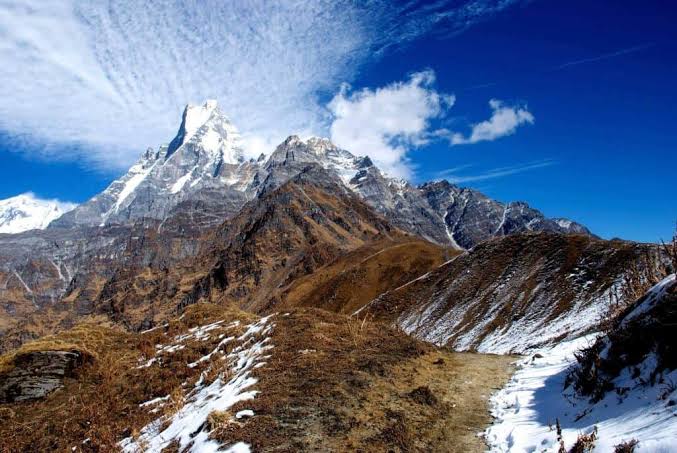






Overview
The Mardi Himal 4 nights 5 days trek is a prominent ridge walking trail situated in the lower Annapurna region of Nepal. Reaching a maximum elevation of 4,500 meters at Mardi Himal Base Camp, this popular circular mountain journey starts and finishes in the lakeside city of Pokhara. The route follows a scenic ridge line along the eastern side of the Modi Khola valley, guiding hikers past traditional Gurung villages, dense moss-draped oak forests and vibrant rhododendron woodlands before climbing onto open subalpine terrain. By utilizing local vehicle transfers between Pokhara, Kande and Siding Village, travelers maximize their time exploring quiet footpaths and high mountain ridges within a compressed five day schedule.
Trip Highlights
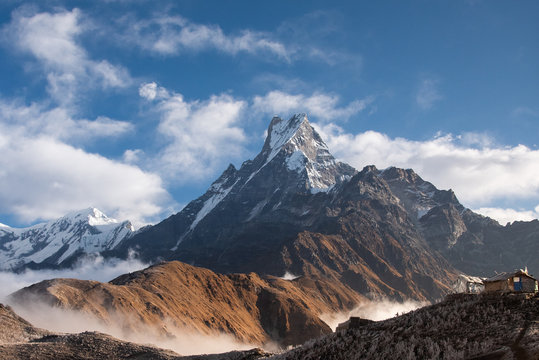
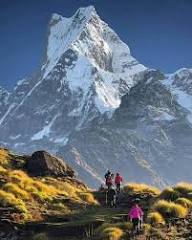
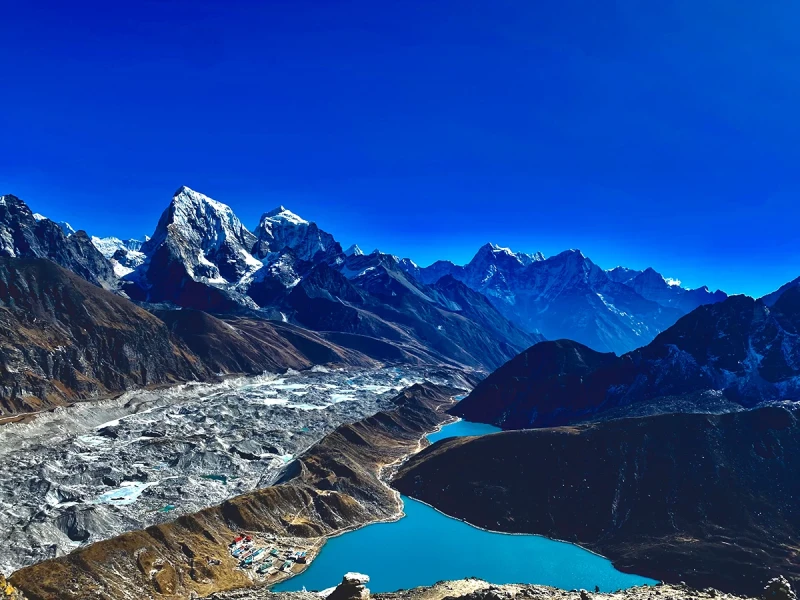
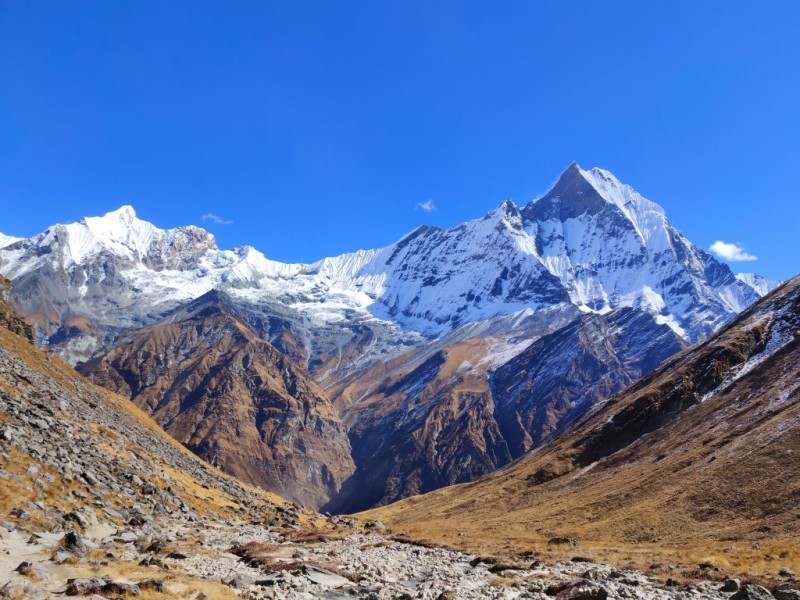
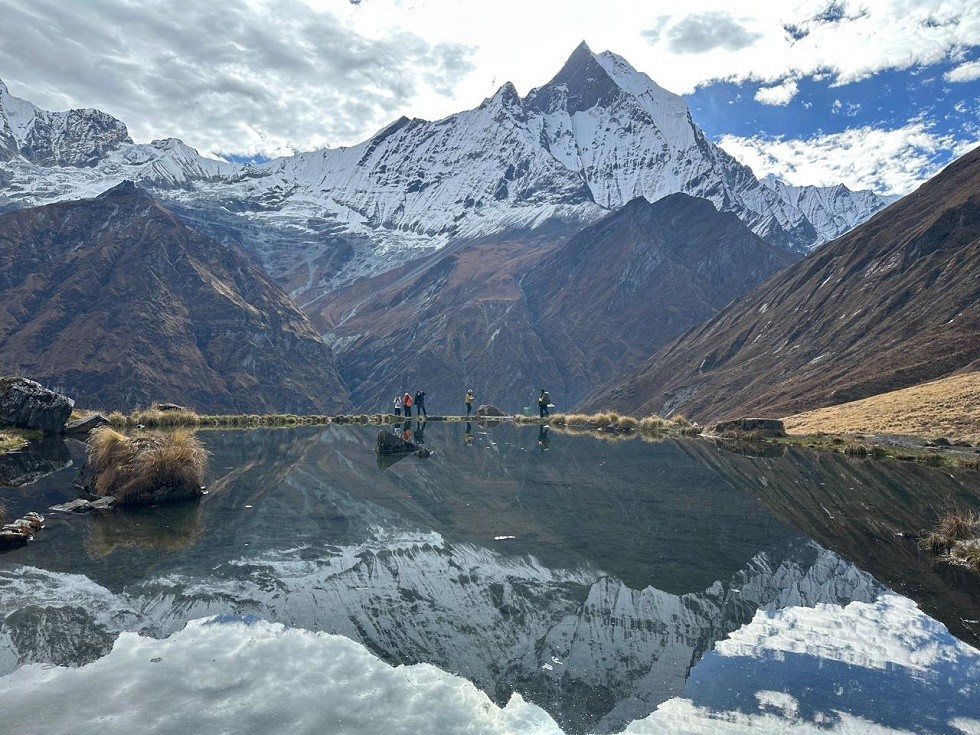
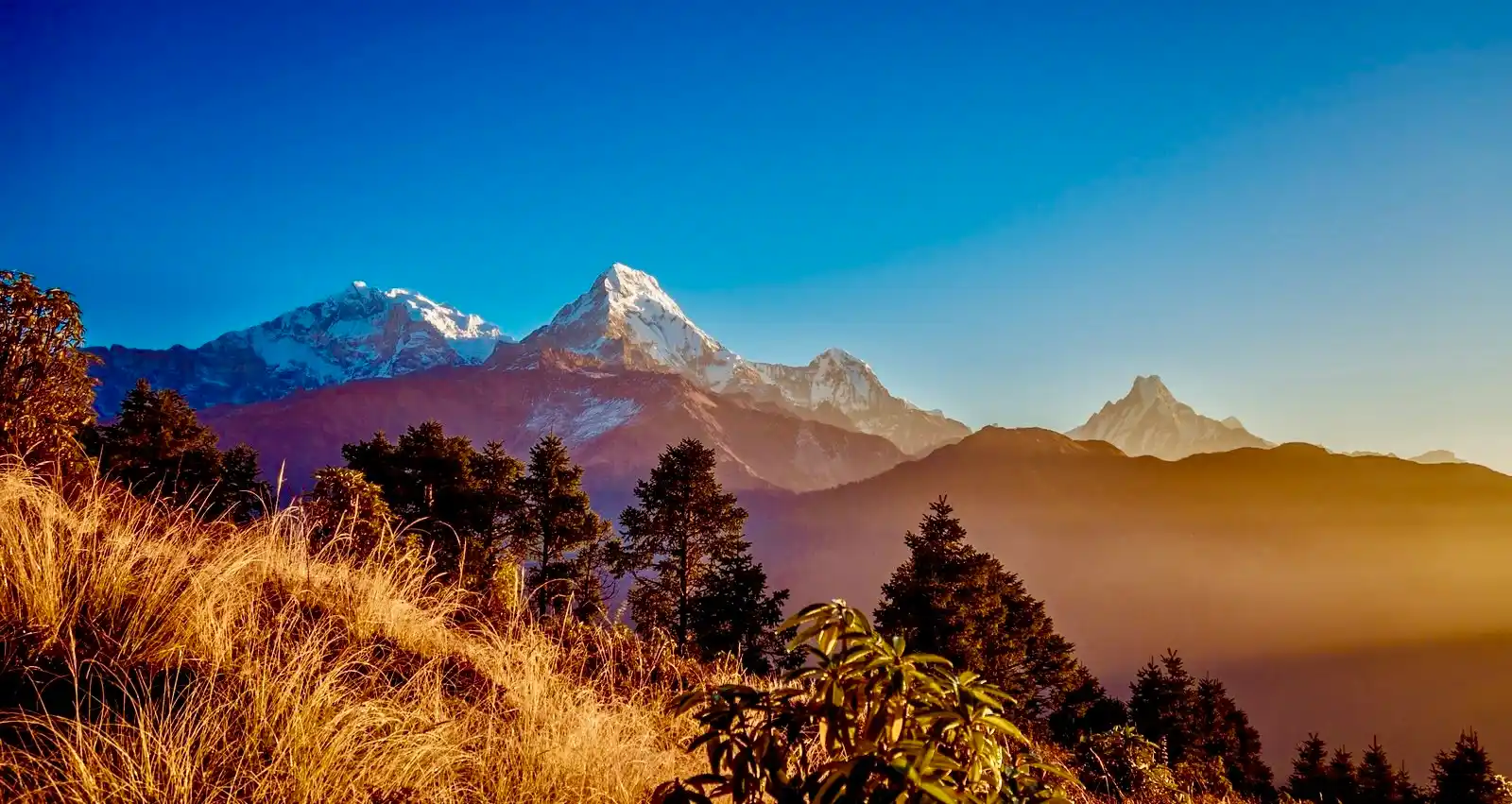
- Unobstructed Views of Mount Machhapuchhre: Walk directly along the narrow high ridge leading up to Mardi Himal Base Camp for eye level, panoramic vistas of Mount Machhapuchhre, Annapurna South and Hiunchuli.
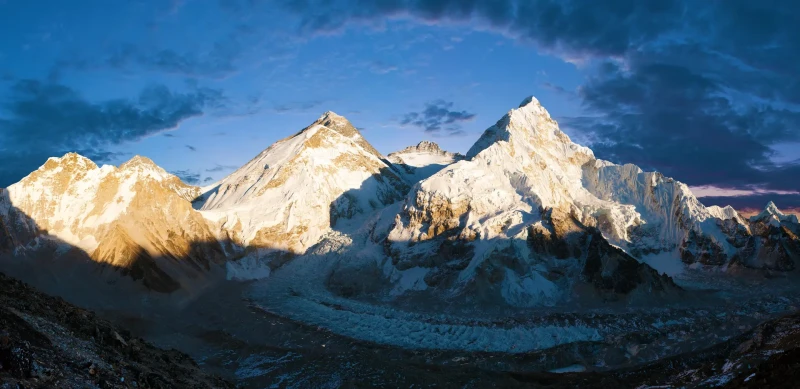
- Sunrise over the Annapurna Massif: Experience golden early morning light illuminating snow-capped peaks from the Mardi Himal Upper Viewpoint at 4,200 meters and Base Camp at 4,500 meters.
- Lush Forest and Alpine Transitions: Journey through quiet oak and bamboo forests that rapidly transition into vibrant rhododendron blooms and open subalpine ridge lines.
- Authentic Gurung Cultural Encounters: Pass through traditional hillside settlements such as Deurali and Siding Village, experiencing genuine rural mountain hospitality and local Gurung customs.
- Peaceful and Less Crowded Trail: Enjoy a serene wilderness trek along a high ridge with fewer trekkers compared to traditional circuit routes in the Annapurna region.
- Convenient Access from Pokhara: Benefit from seamless four-wheel-drive vehicle transfers to Kande and from Siding Village to maximize time spent on mountain footpaths.
Practical Planning and Traveler Guide
The Mardi Himal 4 nights 5 days trek requires a moderate level of physical endurance because daily hiking times range between 4 and 8 hours. The trail presents steep ascents along narrow forest ridges and rocky high altitude terrain, concluding with a steep downhill descent to Siding Village. Preparing with regular cardiovascular exercises such as running, cycling and stair workouts for four to six weeks prior to departure helps build necessary stamina. Carrying lightweight trekking poles reduces strain on knees during long downhill sections. Spring from March to May and autumn from September to November offer clear skies, stable weather and optimal visibility.
Altitude Awareness and Pacing
Reaching Mardi Himal Base Camp at 4,500 meters requires steady physical pacing and mindful acclimatization. Trekkers should ascend at a comfortable, consistent speed rather than pushing too fast up steep ridge sections. Staying properly hydrated by drinking three to four liters of clean water daily helps your body adapt to lower oxygen levels above 3,000 meters. Early symptoms of high altitude illness include mild headaches, fatigue, nausea and loss of appetite. Inform your mountain guide immediately if any symptoms occur so appropriate safety measures can be implemented.
Required Permits
All foreign trekkers entering the Mardi Himal trail within the Annapurna Conservation Area must obtain two essential permits before setting out.
- Annapurna Conservation Area Permit (ACAP): Required for entering protected conservation land in the Annapurna region.
- Trekkers' Information Management System (TIMS) Card: Registers hiker safety and tracking details for emergency management.
- Permit Registration: Both permits can be obtained at official Nepal Tourism Board counters in Kathmandu or Pokhara or through licensed trekking agencies. Always carry valid passport copies and physical passport photos for registration checks.
Teahouse and Dining
Accommodations along the Mardi Himal ridge consist of simple, family operated mountain teahouses providing twin share rooms with basic beds and shared bathroom facilities.
- Teahouse Amenities: Dining rooms are warmed by central stoves in the evening, offering device charging and wireless internet for a modest daily fee.
- Meals and Water: Teahouse kitchens serve energy-rich meals such as traditional Dal Bhat featuring rice, lentil soup and vegetable curry with complimentary refills. Warm porridge, noodle soups, eggs and hot tea are widely served. Reusable water bottles should be filled with boiled water or purified using water treatment tablets to avoid single use plastics.
Itinerary
The journey begins early in the morning with a scenic vehicle drive from Pokhara to Kande, a small hilltop settlement that serves as the official trailhead. After organizing gear, trekkers embark on an uphill climb along well marked stone steps leading through terraced fields toward Australian Camp and Pothana. The trail offers early views of Annapurna South and Machhapuchhre before reaching the entry checkpoint at Deurali, where park permits are registered before entering the deep woodland zone.
From Deurali, the path turns off the main trail and follows a quiet forest path along the ridge toward Forest Camp, locally known as Kokar. Walking under a thick canopy of oak, maple, lichen and rhododendron trees, the route provides a peaceful wilderness atmosphere with occasional glimpses of surrounding valleys. The day concludes with an arrival at Forest Camp at 2,550 meters, a secluded settlement of traditional teahouses tucked within the mountain forest for an overnight stay.
Leaving Forest Camp after breakfast, the trail climbs steadily through temperate woodland toward Low Camp. As elevation rises, dense trees transition into dwarf rhododendron groves and bamboo thickets, while the air becomes crisp and cool. Passing through Badal Danda, the tree line disappears completely, opening up sweeping 360 degree panoramas of the Annapurna mountain range and deep valleys below.
The final leg of the day ascends along a narrowing subalpine ridge line toward High Camp at 3,550 meters. Walking along grassy slopes with continuous view lines of Machhapuchhre, Annapurna South and Hiunchuli, trekkers experience the distinct feeling of high mountain ridge walking. High Camp features several cozy teahouses perched directly on the ridge, providing ideal vantage points to watch mountain sunset colors across snow capped peaks before an early night.
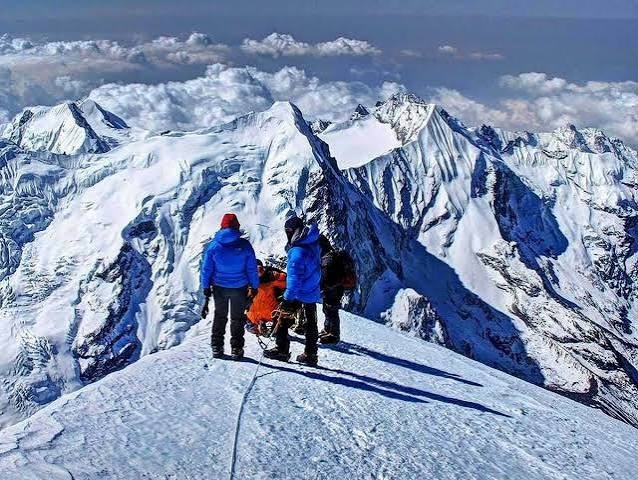
The day starts pre-dawn around 4:00 AM with a flashlight-lit hike along the narrow, rocky ridge leading toward Mardi Himal Viewpoint and Base Camp. Guided by headlamps, trekkers navigate stone steps and narrow paths along the ridge as the horizon begins to brighten. Upon reaching the Upper Viewpoint and Mardi Himal Base Camp at 4,500 meters, travelers witness sunrise over the Annapurna massif, with Mount Machhapuchhre standing directly ahead in striking detail.
After spending time photographing the mountain panorama and enjoying warm tea at high altitude, trekkers retrace their steps down the ridge back to High Camp for a well earned breakfast. After packing gear, the descent continues down the same ridge line past Badal Danda to Low Camp at 2,970 meters. Arriving back in the shelter of the forest line, travelers enjoy a relaxing evening at a lower, oxygen-rich elevation.
Leaving Low Camp in the morning, the trail leaves the main ridge and descends steeply through quiet, pristine forests toward the Mardi Khola valley. The footpath winds down through dense rhododendron, oak and bamboo groves, crossing clear mountain streams and cascading waterfalls. As the elevation drops, the forest gives way to terraced farm fields and traditional rural hamlets, providing an authentic look into local mountain agriculture.
By midday, trekkers reach Siding Village at 1,700 meters, a classic Gurung settlement featuring traditional stone houses and rich cultural hospitality. After resting and enjoying a local lunch, travelers board a four wheel drive jeep for a scenic off-road drive along the river valley and back onto the highway to Pokhara. The drive arrives back in Lakeside Pokhara by late afternoon, allowing trekkers to unwind with a lakefront dinner and hot shower.
The final day offers flexible leisure time in Pokhara to rest tired muscles and explore local attractions. Travelers can spend a peaceful morning walking along the shore of Phewa Lake, renting a traditional wooden boat to visit Tal Barahi Temple or visiting local coffee shops. Additional options include exploring Davis Falls, Gupteshwor Mahadev Cave or taking in panoramic valley views from the World Peace Pagoda.
After a relaxing morning, travelers finalize their departure arrangements for onward travel to Kathmandu or other destinations. Whether connecting to a domestic flight at Pokhara Airport or taking a tourist bus along the highway, Day 5 completes the 5 day Mardi Himal trip schedule with smooth travel connections.
Cost Include
- Ground transportation to and from the trek starting and ending points.
- Annapurna Conservation Area Permit (ACAP) and TIMS card registration fees.
- Teahouse accommodation throughout the trekking itinerary.
- Breakfast, lunch, dinner, drinking water, and sleeping bag provided during the trekking period.
- Licensed, professional English-speaking trekking guides and experienced support porters.
- Hotel accommodation in Pokhara as specified in the package.
- All applicable government taxes and service charges.
Cost Exclude
- Travel, medical and emergency evacuation insurance.
- Personal expenses such as laundry, hot showers, Wi-Fi and device charging fees.
- Soft drinks, alcoholic beverages and extra snacks.
- Tips for mountain guides, drivers and porters.
- International and domestic flight fares unless specified.
- Personal trekking gear and equipment.
Important Notes
- Weather Variability: Mountain weather in the Annapurna region changes rapidly, making layered clothing essential for safety and comfort.
- Essential Clothing: Pack moisture-wicking thermal base layers, lightweight trekking trousers, a fleece jacket, a warm down jacket and windproof outer layers.
- Key Gear: Bring a sleeping bag rated for sub-zero temperatures, a sturdy 30 to 40 liter backpack with a rain cover, UV sunglasses, sunscreen, a headlamp and trekking poles for steep descents.
- Cash Provisions: Carry sufficient Nepalese cash from Pokhara for personal expenditures because ATMs and card processing are unavailable on the trail.
- Altitude Preparedness: Ascending to 4,500 meters at Mardi Himal Base Camp increases exposure to acute mountain sickness, making slow physical pacing, daily hydration of 3 to 4 liters and early symptom monitoring crucial.
- Teahouse Amenities and Solar Power: Charging electronics and accessing Wi-Fi incur small extra cash fees at mountain lodges, while upper settlements like High Camp rely on solar power that can fluctuate during cloudy days.
Photo Gallery