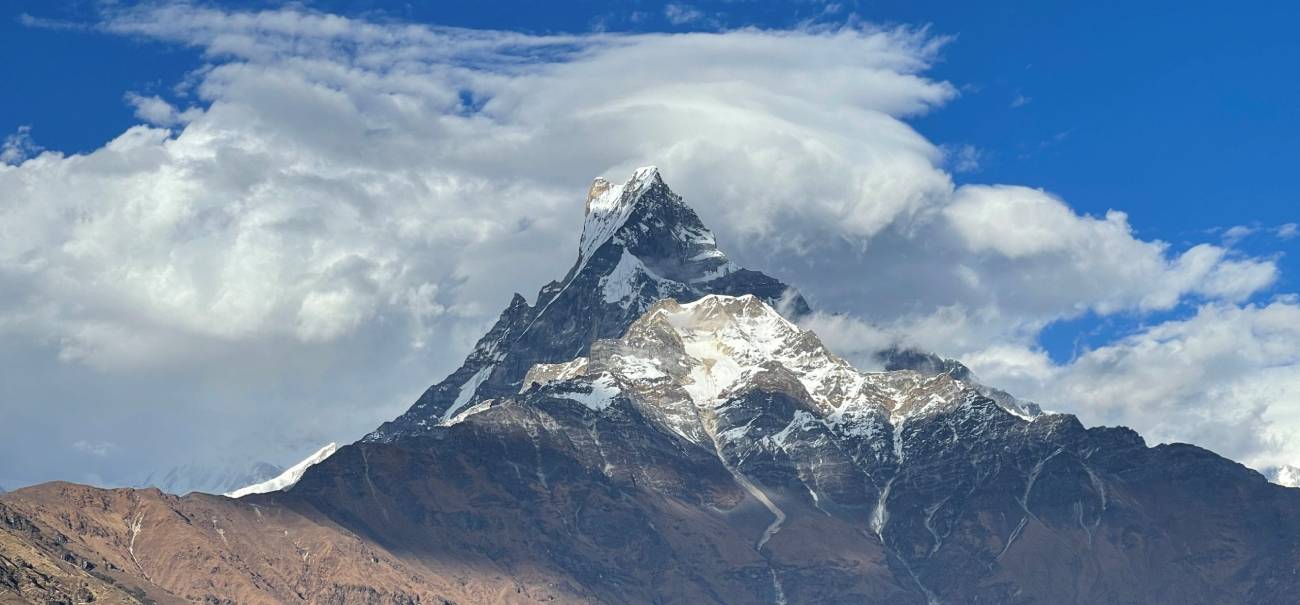
Annapurna
Annapurna Base Camp 5-nights 6-days
Trip Code: ABC12345
A fast-paced journey following the glacial Modi Khola valley directly into the high alpine Annapurna Sanctuary at 4,130 meters. Hikers experience a 360-degree wall of snow-capped peaks including Annapurna I and Machhapuchhre, finishing with a soak in Jhinu hot springs.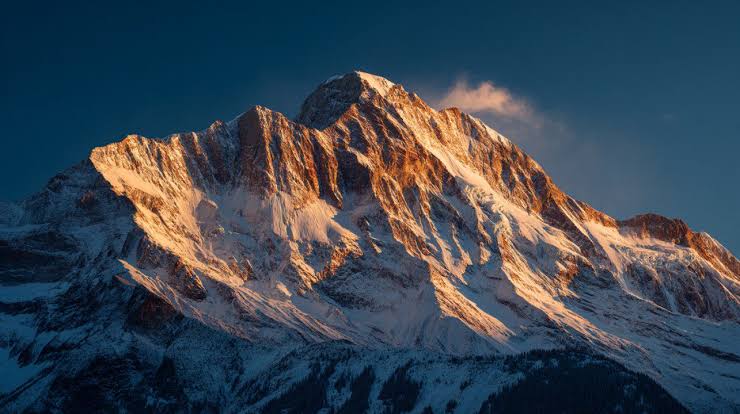






Overview
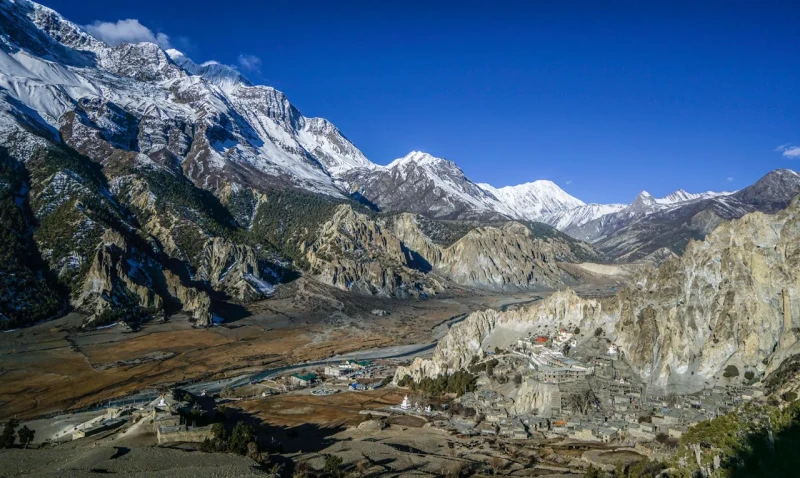
The 5 nights 6 days Annapurna Base Camp trek offers a direct and efficient route into the heart of the Annapurna Sanctuary in Nepal. Reaching a maximum elevation of 4,130 meters at Annapurna Base Camp, this compressed mountain journey starts and finishes in Pokhara with onward connections to Kathmandu. The trail ascends along the glacial Modi Khola River valley, guiding trekkers past traditional Gurung villages, terraced agricultural hillsides, dense bamboo groves and oak woodlands before opening into a high alpine glacial amphitheater. By utilizing four wheel drive off road vehicle transfers between Pokhara and Jhinu Danda or Matkyu, travelers bypass lower agricultural roads and step directly onto high mountain footpaths within a tight six day timeframe.
Trip Highlights
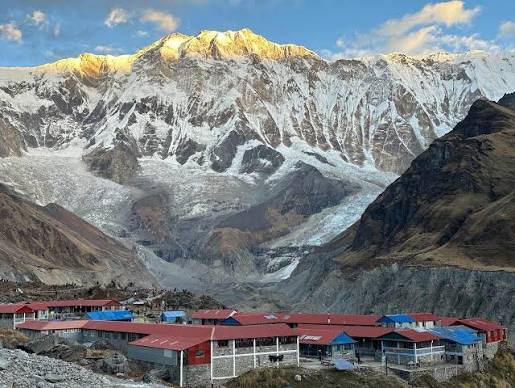
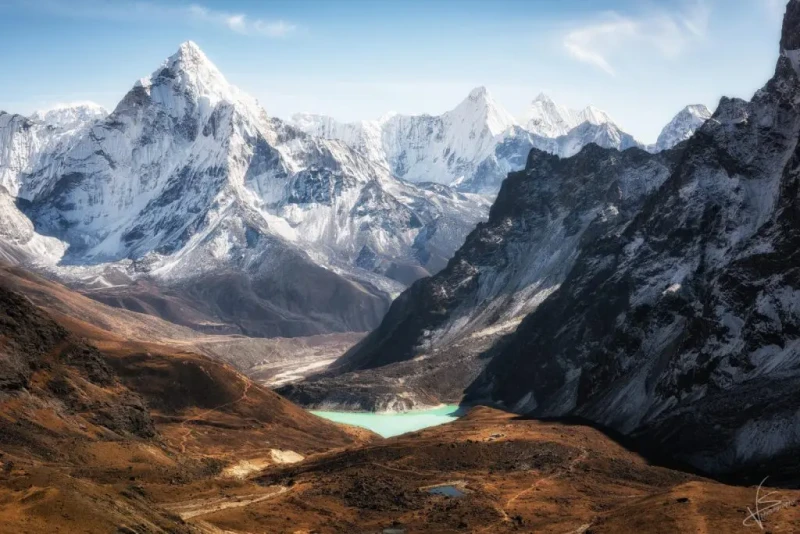
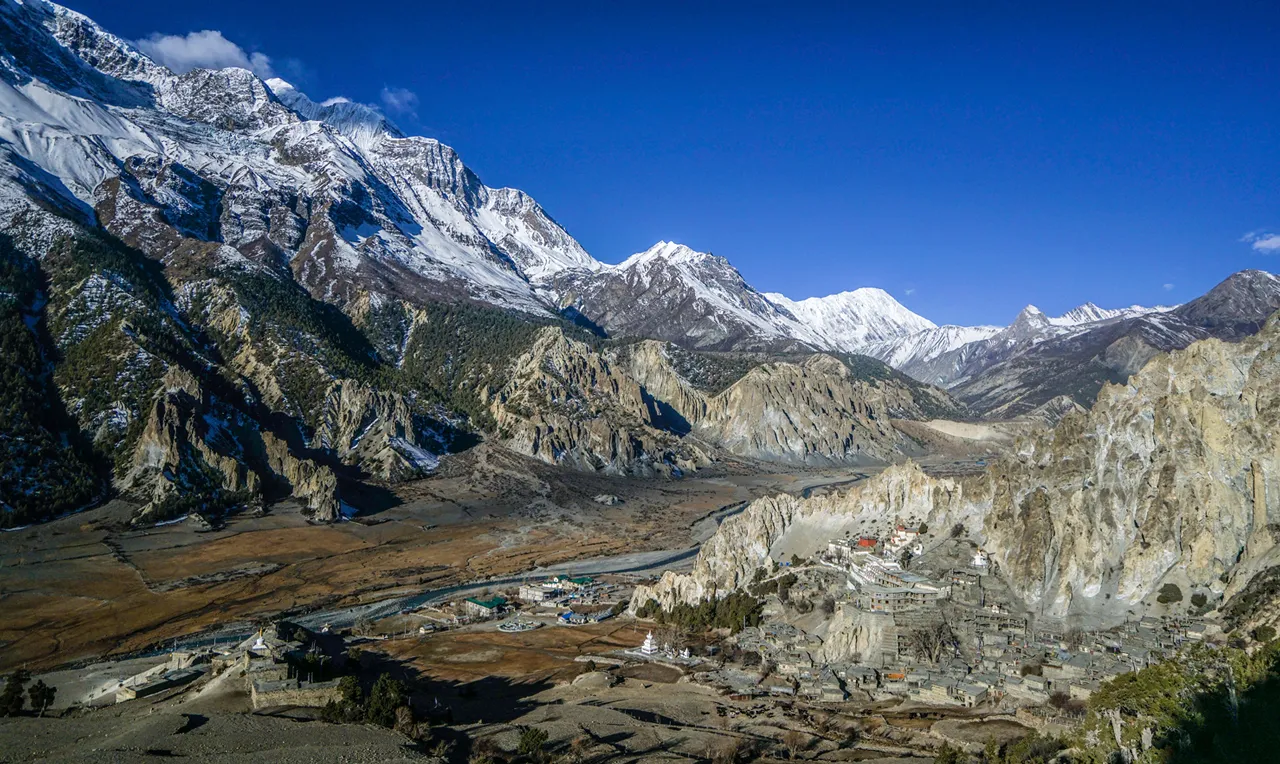
- Glacial Basin Sanctuary Views: Stand inside the legendary Annapurna Sanctuary surrounded by a 360 degree wall of towering snow capped peaks including Annapurna I, Machhapuchhre, Annapurna South and Hiunchuli.
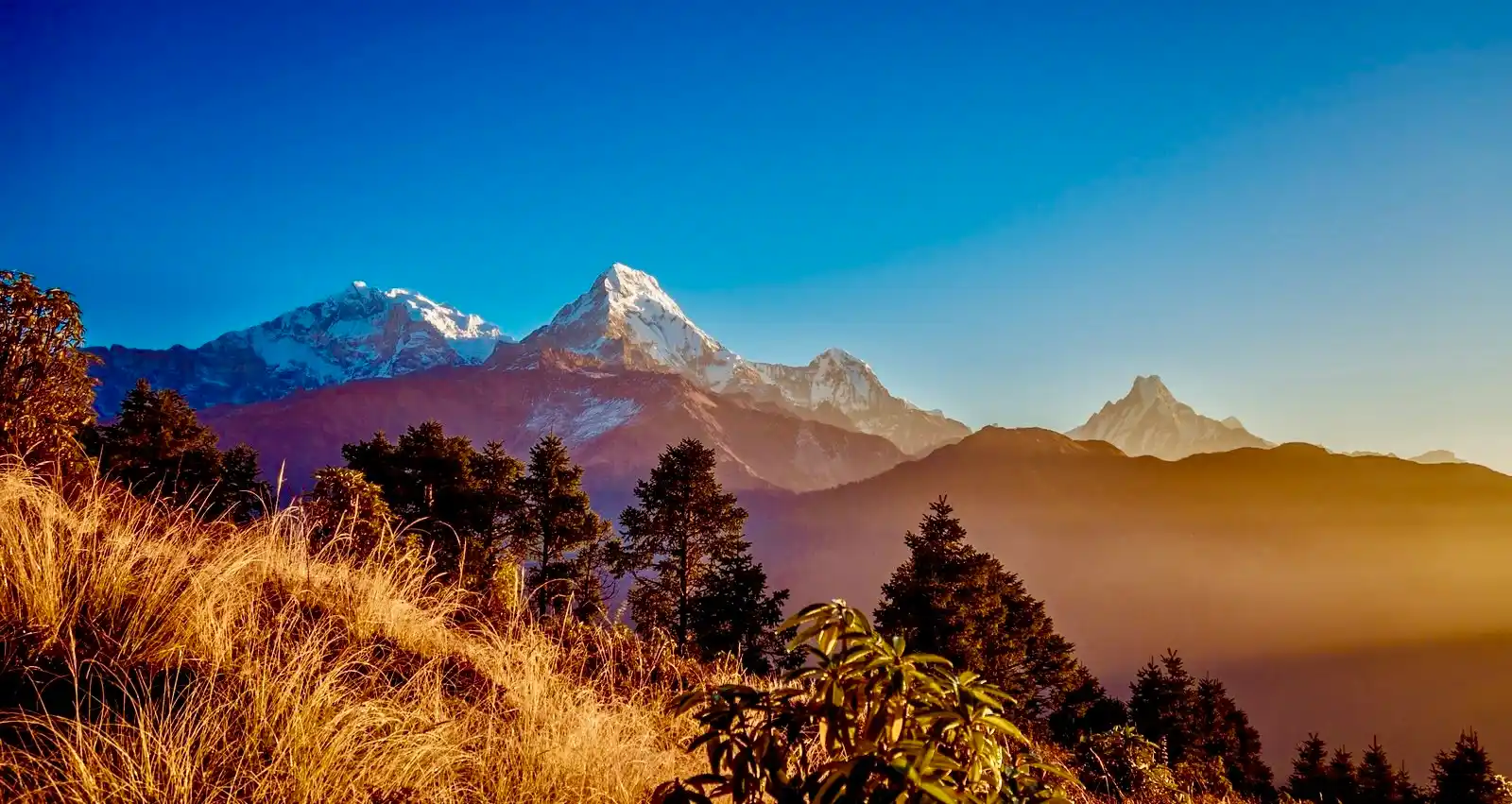
- Sunrise over Annapurna South and Annapurna I: Witness early morning golden light illuminating the massive south face of Annapurna I and surrounding glaciers directly from Annapurna Base Camp at 4,130 meters.
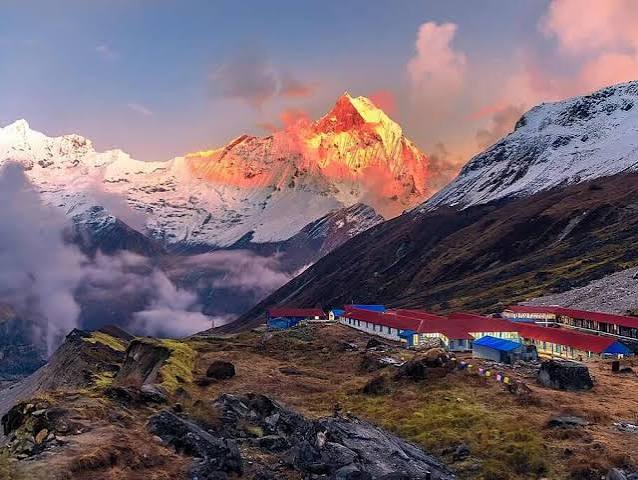
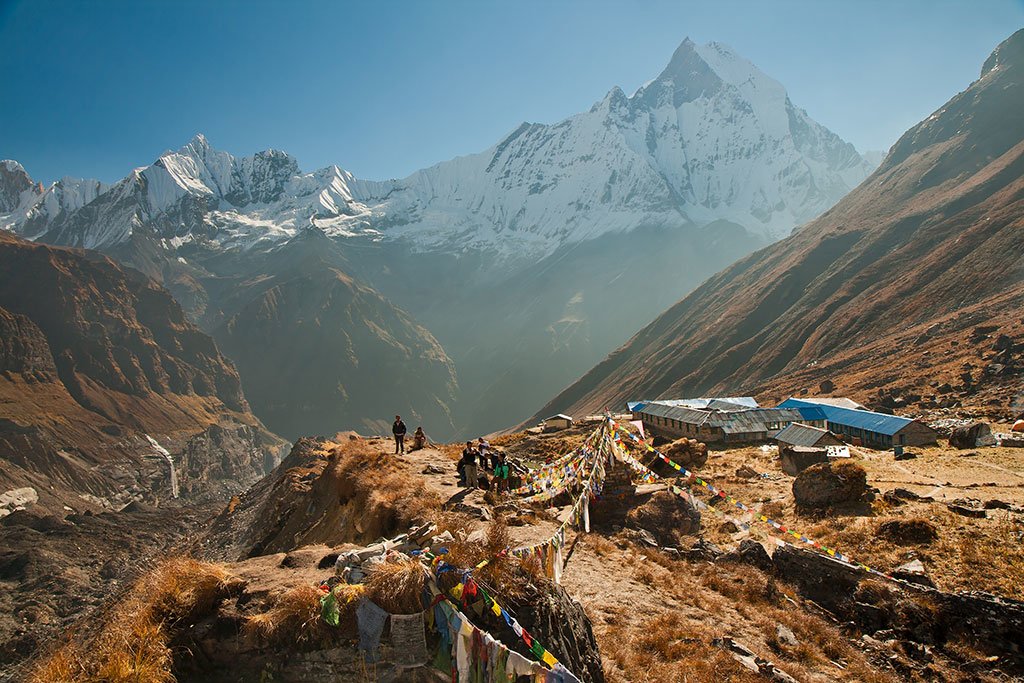
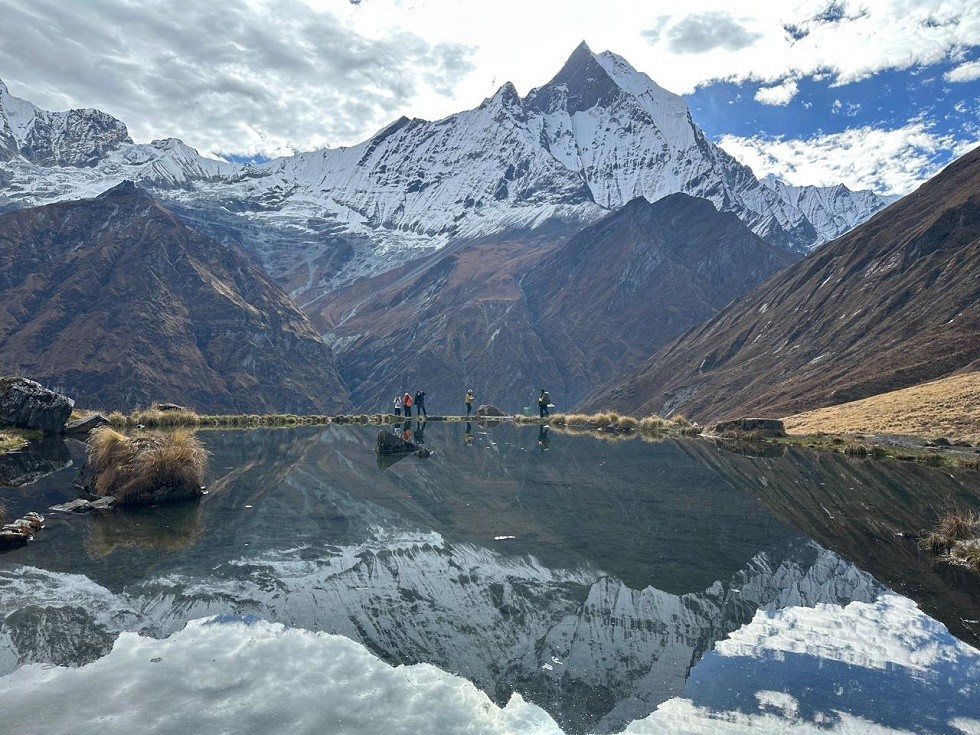
- Machhapuchhre Base Camp Experience: Trek past the iconic double summit of Machhapuchhre, also known as Fishtail Mountain, stopping at 3,700 meters before making the final push into the high sanctuary.
- Natural Hot Springs at Jhinu Danda: Relax tired legs on the return journey by soaking in natural geothermal mineral pools along the banks of the Modi Khola River.
- Diverse Forest and Alpine Transitions: Walk through subtropical farmlands, dense bamboo forests and oak woodlands before emerging above the tree line into open alpine terrain.
- Convenient Vehicle Transfers from Pokhara: Save valuable trekking time by utilizing private jeep connections between Pokhara and the trailheads at Jhinu Danda or Matkyu.
Practical Planning and Traveler Guide
This compressed itinerary requires good cardiovascular fitness because daily hiking lasts between 5 and 8 hours over steep stone steps. Prepare by running, cycling or stair climbing for 4 to 6 weeks before your trip. Carrying two trekking poles helps reduce strain on your knees during long downhill descents.
Altitude Awareness and Pacing
Ascending to high elevation within three days requires a steady pace to allow proper acclimatization. Walk slowly, avoid overexertion between rest stops and drink 3 to 4 liters of water daily. Inform your mountain guide immediately if you experience headaches, nausea or dizziness.
Required Permits
Foreign trekkers must obtain an Annapurna Conservation Area Permit and a Trekkers Information Management System card. Both documents are issued at Nepal Tourism Board counters in Kathmandu or Pokhara. Bring valid passport copies and physical passport photos for registration checks along trail checkpoints.
Teahouse and Dining
Family run teahouses along the trail provide basic twin rooms and warm communal dining halls. Meals feature energy rich local options like Dal Bhat, noodle soups, porridge and hot tea. Charging electronics and Wi-Fi access are available for a small fee, while reusable water bottles should be filled with boiled or purified water.
Itinerary
The adventure begins early in the morning with a private vehicle drive from Pokhara toward the mountain trailheads. The scenic route passes through Nayapul and Birethanti, following the highway before turning onto off-road tracks alongside the roaring Modi Khola River. By driving directly to the trailhead at Jhinu Danda or Matkyu at 1,780 meters, trekkers bypass lower agricultural roads and commence walking right at the edge of the high hills.
Upon stepping onto the trail, the route leads across long suspension bridges over mountain streams before ascending through terraced farmlands toward Chomrong. Trekkers climb thousands of stone steps through the cliffside Gurung village before descending into the Chomrong Khola riverbed. A steep stone staircase leads up the opposite slope to Sinuwa at 2,340 meters, where comfortable mountain teahouses provide peaceful lodging and views over the deep river gorge.
Leaving Sinuwa after breakfast, the trail enters a dense sanctuary forest dominated by bamboo, rhododendron and oak trees. The footpath undulates along the western slope of the Modi Khola gorge, offering cool shade and frequent stream crossings. The route passes through quiet forest settlements like Bamboo and Dovan where travelers often stop for light refreshments and warm tea.
As elevation rises beyond Dovan, the lush subtropical forest transitions into subalpine shrubland alongside the roaring river. The trail passes Hinku Cave, an overhanging rock ledge historical expeditions used for shelter, before ascending through rocky canyon terrain. The day completes in Deurali at 3,230 meters, a high valley settlement nestled between steep granite cliffs marking the gateway to the upper high alpine region.
The journey continues morningward out of the narrow gorge as the valley opens up into the glacial amphitheater of the Annapurna Sanctuary. Following the upper Modi Khola River, tree lines gradually disappear and alpine meadows take over the landscape. The trail leads toward the double summit of Machhapuchhre, arriving first at Machhapuchhre Base Camp at 3,700 meters for a rest break surrounded by towering mountain walls.
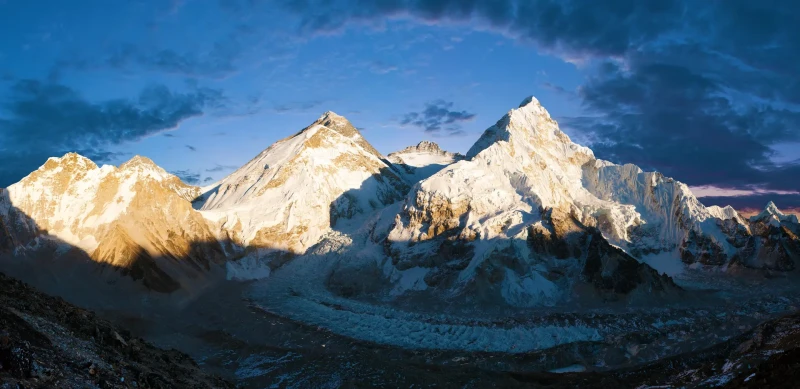
Leaving Machhapuchhre Base Camp, a gentle and steady climb along an open glacial ridge leads straight into Annapurna Base Camp at 4,130 meters. Surrounding the base camp is a massive 360 degree wall of rock and ice featuring Annapurna I, Annapurna South, Hiunchuli and Tent Peak. Trekkers settle into high altitude teahouses for the night, witnessing golden sunset colors across the vast glaciers.
The day begins pre-dawn as trekkers gather outside to watch the morning sun strike the south face of Annapurna I. As golden light turns the glaciers from white to gold, travelers capture photographs before beginning the return trek down the mountain. Because the route retraces the Modi Khola valley, downhill walking speed increases significantly as oxygen levels rise with every descended hour.
The path descends past Machhapuchhre Base Camp, Deurali, Hinku Cave and Dovan. Re-entering the dense bamboo and oak forest, the air grows warmer and trail conditions flatten into gentle undulations. By late afternoon, trekkers reach Sinuwa at 2,340 meters for dinner, a hot drink and a comfortable teahouse stay.
Leaving Sinuwa, the final trekking leg leads down stone steps through the Chomrong Khola riverbed and climbs back up to Chomrong. From Chomrong, a steady descent brings hikers down to Jhinu Danda at 1,780 meters. Trekkers take a short side trail down to the banks of the Modi Khola River to soak in natural geothermal mineral pools, relaxing tired legs after days of mountain hiking.
After enjoying the hot springs, travelers walk the remaining short distance to the jeep station at Matkyu or Jhinu Danda. Private jeeps carry trekkers along winding mountain roads past Birethanti and Nayapul back to Pokhara. Arriving by late afternoon, travelers check into their hotel and enjoy a relaxing evening along the shores of Phewa Lake.
The final day provides flexible time for rest, local city exploration and sightseeing around Pokhara valley. Travelers can spend a quiet morning strolling along the shore of Phewa Lake, enjoying fresh coffee at lakeside cafes or renting a traditional wooden boat to visit Tal Barahi Temple. Other options include viewing the valley from the World Peace Pagoda or visiting the International Mountain Museum.
After a relaxing morning, travelers finalize packing and check out of their accommodations. Depending on individual schedules, travelers connect to domestic flights at Pokhara Airport or board tourist buses along the highway back to Kathmandu. Day 6 completes the 5 nights 6 days Annapurna Base Camp itinerary with seamless connections for onward travel.
Cost Include
- Ground transportation to and from the trek starting and ending points.
- Gear check and shopping assistance in Kathmandu.
- Annapurna National Park entry permits and TIMS (Trekker's Information Management System) registration.
- Teahouse accommodation throughout the trek.
- Breakfast, lunch, dinner, drinking water, and sleeping bag provided during the trekking period.
- Licensed, professional English-speaking trekking guides and experienced support porters.
- Welcome and farewell dinners hosted in Kathmandu.
- All applicable government and local taxes.
Cost Exclude
- Travel and emergency evacuation insurance.
- Internet access and device charging fees at teahouses.
- Soft drinks, alcoholic beverages and extra snacks.
- Hot showers and laundry services during the trek.
- Tips for mountain guides and porters.
- Personal expenses such as bar bills and extra accommodations due to trip delays.
Important Notes
- Preparation and Packing: Weather in the Annapurna region can change rapidly, so carrying the right gear is essential for safety, warmth and comfort.
- Essential Clothing: Pack thermal base layers, quick dry trekking tops and pants, a fleece mid layer, a warm down jacket, windproof outer layers and waterproof pants for shoulder seasons.
- Key Accessories: Bring UV protection sunglasses, high SPF sunscreen, lip balm, a headlamp with extra batteries, a small daypack and two sturdy trekking poles to navigate steep stone staircases.
- Cash Provisions: Carry sufficient Nepalese cash from Pokhara for personal expenditures because ATMs and card processing are unavailable on the trail.
- Altitude Preparedness: Ascending to 4,130 meters at Annapurna Base Camp increases exposure to acute mountain sickness, making slow physical pacing, daily hydration of 3 to 4 liters and early symptom monitoring crucial.
- Teahouse Amenities and Solar Power: Charging electronics and accessing Wi-Fi incur small extra cash fees at mountain lodges, while upper settlements like Machhapuchhre Base Camp rely on solar power that can fluctuate during cloudy days.
Photo Gallery