Langtang
Langtang Valley Trek 7 Night 8 Days
Trip Code: LNGTN1234
A flight-free mountain escape starting from Syabrubesi and ascending through dense bamboo and oak forests along the Langtang Khola River. It leads to the Tibetan Tamang settlement of Kyanjin Gompa (3,870m) and includes a sunrise climb up Kyanjin Ri (4,773m) beneath Langtang Lirung.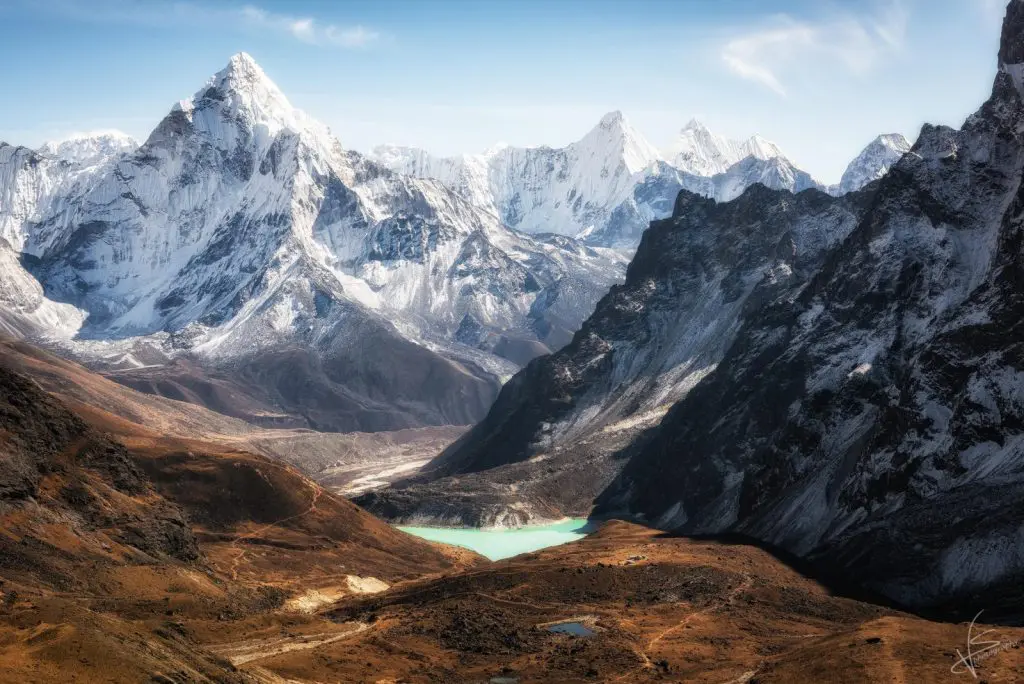






Overview
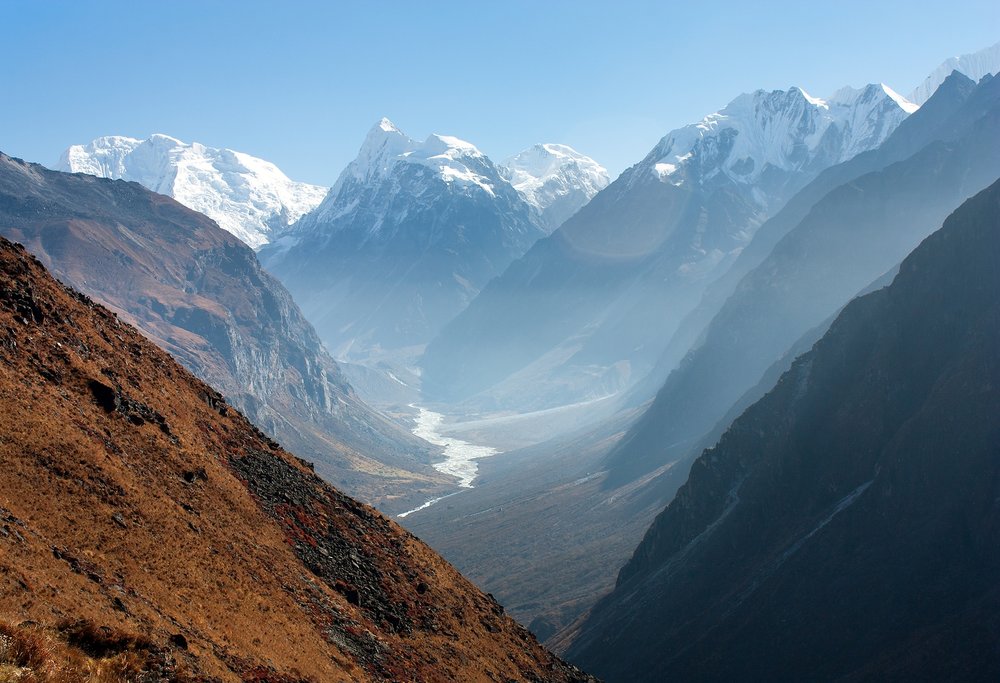
The 7 days Langtang Valley trek offers a rewarding high-altitude journey through the scenic glacial valley directly north of Kathmandu in Nepal. Reaching a maximum elevation of 3,870 meters at Kyanjin Gompa and 4,773 meters at the Kyanjin Ri viewpoint, this structured mountain itinerary starts and finishes in Kathmandu with overland vehicle transport to the trailhead at Syabrubesi. The trail ascends alongside the rushing waters of the Langtang Khola River, guiding hikers through subtropical bamboo groves, dense oak and rhododendron woodlands, before emerging into open alpine glacial pastures surrounded by towering snow-capped summits. By utilizing direct highway connections between Kathmandu and Syabrubesi, this 7 day schedule provides a complete mountain escape without requiring domestic flights.
Trip Highlights
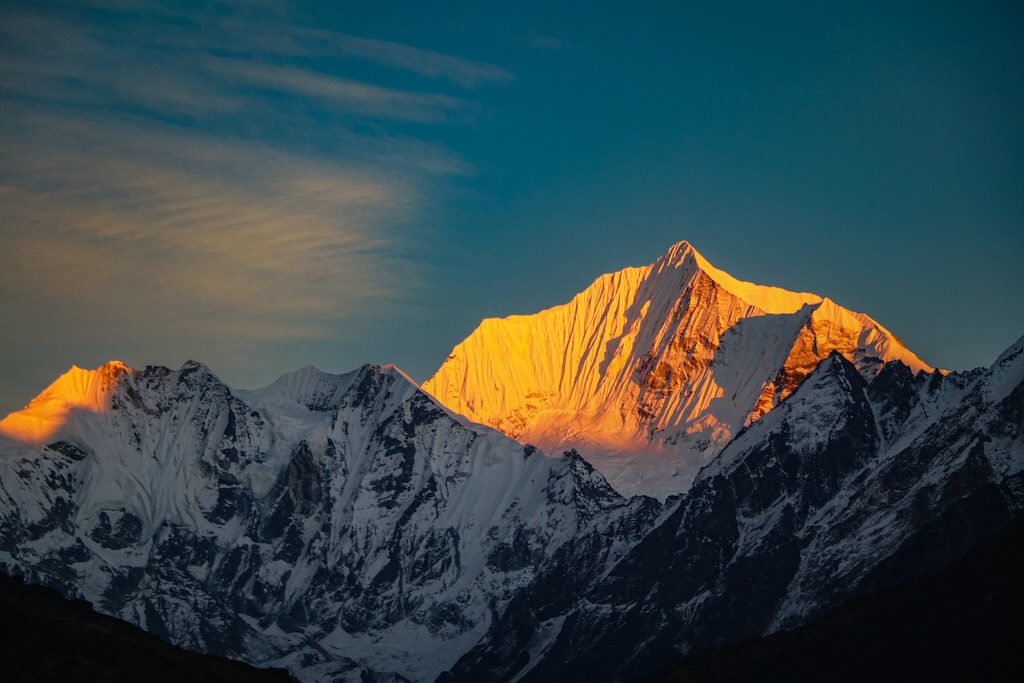
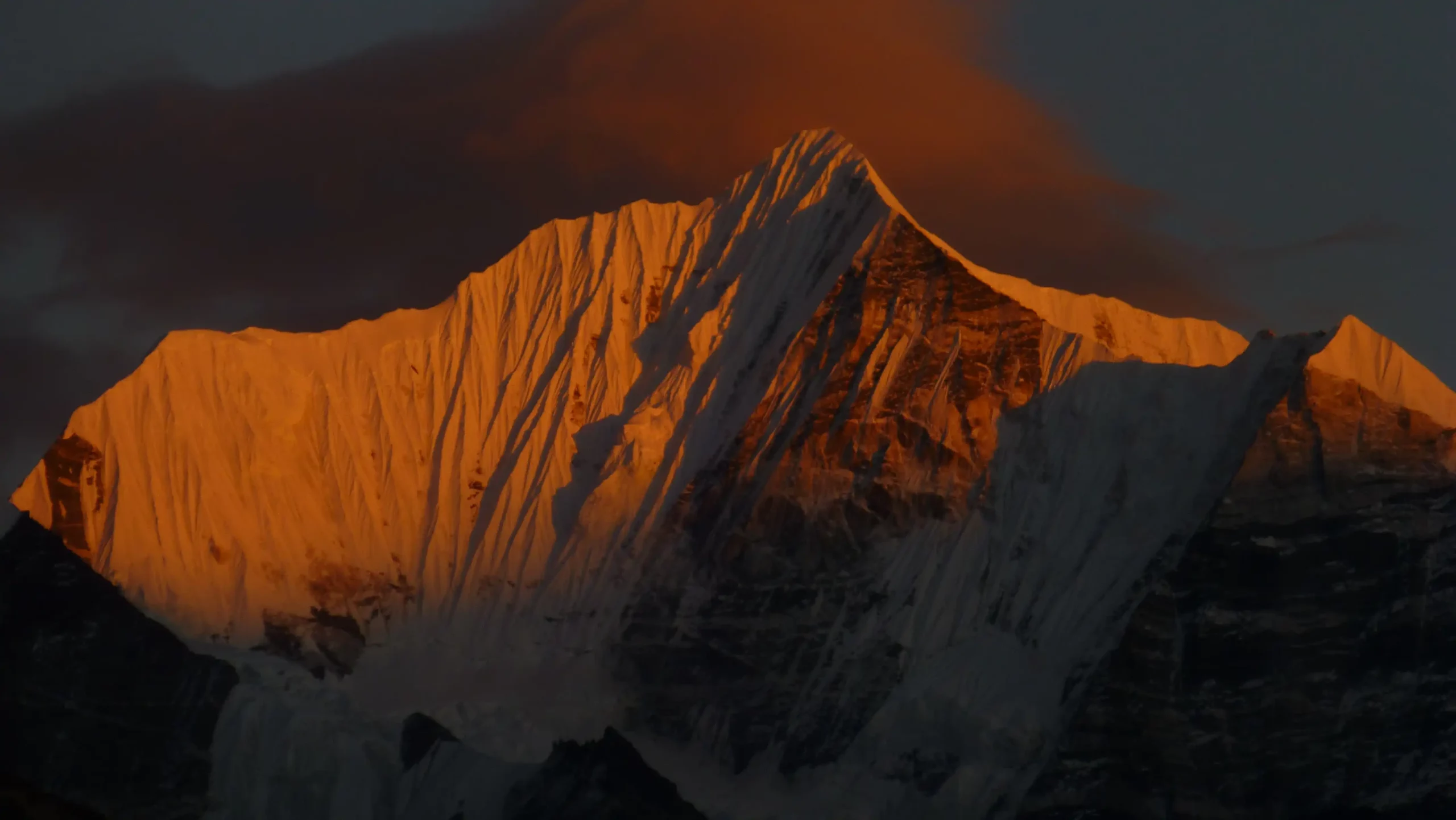
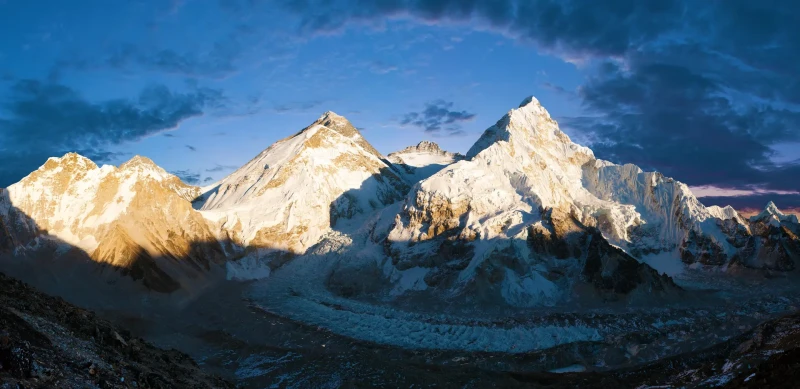
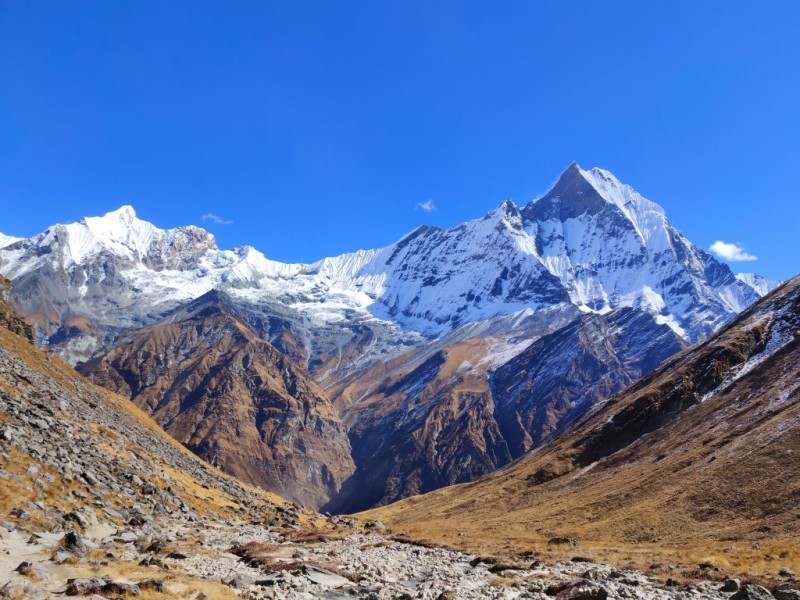
- Panoramic Views of Langtang Lirung: Marvel at close vistas of Mount Langtang Lirung at 7,227 meters and surrounding Himalayan peaks from the upper valley basin.
- Sunrise Summit Hike to Kyanjin Ri: Climb Kyanjin Ri at 4,773 meters or Tserko Ri at 4,984 meters for sweeping 360 degree views across glaciers and snow-capped peaks.
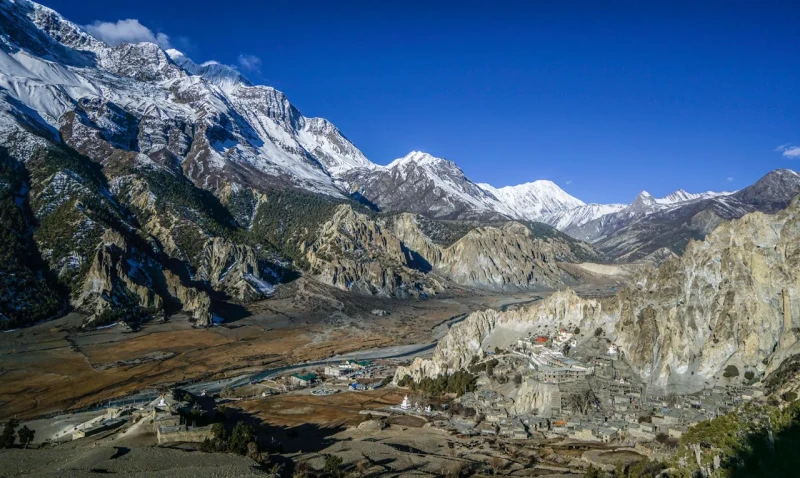
- Rich Tamang Buddhist Heritage: Explore traditional stone villages like Langtang Village and Kyanjin Gompa, visiting historic monasteries, mani walls and chortens.
- Local Yak Cheese Factory Visit: Tour the Swiss-established Yak Cheese Factory in Kyanjin Gompa and sample fresh regional mountain cheese.
- Diverse Ecological Corridors: Walk through subtropical bamboo groves, dense oak and rhododendron forests, before ascending into open alpine glacial terrain within Langtang National Park.
- Flight-Free Overland Transport: Enjoy convenient accessibility from Kathmandu via a scenic vehicle drive to the trailhead at Syabrubesi without needing domestic flights.
Practical Planning and Traveler Guide
The 7 days Langtang Valley trek is a moderate high-altitude journey suitable for active hikers, beginners with good fitness and travelers with limited travel time. Daily walking durations range between 4 and 7 hours over stone steps, forest tracks and alpine paths. Engaging in regular cardiovascular preparation such as jogging, cycling or stair climbing for 3 to 4 weeks prior to departure builds necessary endurance. Carrying two lightweight trekking poles helps absorb joint impact during long downhill step descents. Spring from March to May and autumn from September to November offer clear skies, stable weather conditions and optimal mountain visibility.
Altitude Awareness and Pacing
Reaching an elevation of 3,870 meters at Kyanjin Gompa and 4,773 meters at Kyanjin Ri demands careful altitude management. Trekkers should maintain a slow, unhurried walking speed across higher valley sections to allow proper body adaptation. Drinking 3 to 4 liters of clean water daily helps maintain fluid balance and prevents altitude dehydration. Travelers should monitor for early symptoms of Acute Mountain Sickness including headaches, nausea, dizziness and fatigue, informing their guide immediately if symptoms occur.
Required Permits
Foreign trekkers entering the Langtang region must obtain two official permits prior to setting out from Kathmandu or at the Dhunche checkpoint.
- Langtang National Park Entry Permit: Covers environmental conservation and entry into protected park land, costing 3,000 Nepalese Rupees (approximately 22 to 25 US Dollars) for foreign nationals and 1,000 Nepalese Rupees for SAARC nationals.
- Trekkers' Information Management System (TIMS) Card: Registers hiker safety details and location tracking data for emergency management, costing 2,000 Nepalese Rupees (approximately 15 to 20 US Dollars).
- Permit Registration: Both permits can be processed at official counters in Kathmandu or directly at park entry gates along the drive. Travelers must carry valid passport copies and physical passport photos for registration checks.
Teahouse and Dining
Teahouses along the Langtang Valley trail provide clean lodging in family operated lodges featuring twin single rooms with basic beds and shared or attached bathroom options.
- Teahouse Amenities: Central dining rooms are heated by wood or yak-dung stoves during cold evenings. Device charging costs between $3.2 to $19.75 USD per session, while wireless internet access ranges from $3.29 to $7.90 USD per day.
- Food and Water: Kitchen menus serve energy-rich meals including traditional Dal Bhat featuring rice, lentil soup and vegetable curry with complimentary refills. Noodle dishes, soups, fried rice, eggs, porridge and hot tea are widely served. Reusable water bottles should be filled with boiled water or treated using personal purification tablets to prevent plastic waste inside protected park zones.
Itinerary
The adventure begins early in the morning with a private jeep or tourist bus departure from Kathmandu heading north along the Pasang Lhamu Highway. The vehicle drive winds through green mid-hill landscapes, passing terraced farmlands, roadside hamlets and vibrant market towns like Trishuli Bazaar and Dhunche. As the road enters the boundary of Langtang National Park, travelers enjoy views of Ganesh Himal and rolling mountain ridges.
The final stretch of the drive descends along winding mountain roads into the Trishuli River gorge, arriving at Syabrubesi at 1,550 meters by late afternoon. Syabrubesi serves as the primary gateway for treks into the Langtang region. Trekkers check into local teahouses, organize gear and spend a quiet evening preparing for the upcoming foot journey.
Leaving Syabrubesi after breakfast, the trail crosses the suspension bridge over the Bhote Koshi River and turns east to follow the Langtang Khola River upstream. The footpath ascends through dense subtropical forests of oak, maple, bamboo and rhododendron, offering shaded walking conditions alongside cascading waterfalls.
The trail winds through small riverside settlements such as Doman, Pairo and Bamboo, where travelers stop for light refreshments and lunch. As the elevation climbs beyond Rimche, the trail steepens before leveling off into the quiet forest clearing of Lama Hotel at 2,470 meters for an overnight teahouse stay.
Leaving Lama Hotel in the morning, the trail continues upwards through dense woodland canopy following the roaring river. As elevation increases past 3,000 meters, the dense forest gradually thins out, giving way to pine woods, alpine meadows and sparse mountain shrubs.
The trail passes Ghoda Tabela, a former Tibetan resettlement project location where park entry documents are checked. The valley widens significantly, opening up views of Langtang Lirung towering directly above. Passing prayer flags, carved mani walls and chortens, trekkers arrive at Langtang Village at 3,430 meters, a rebuilt Tamang settlement offering comfortable lodging and rich cultural insights.
Leaving Langtang Village after breakfast, the trail leads on a gentle uphill climb through open alpine terrain and summer yak pastures. The route passes through Mundu Village and crosses small glacial streams, surrounded by high granite cliffs and snow-covered peaks.
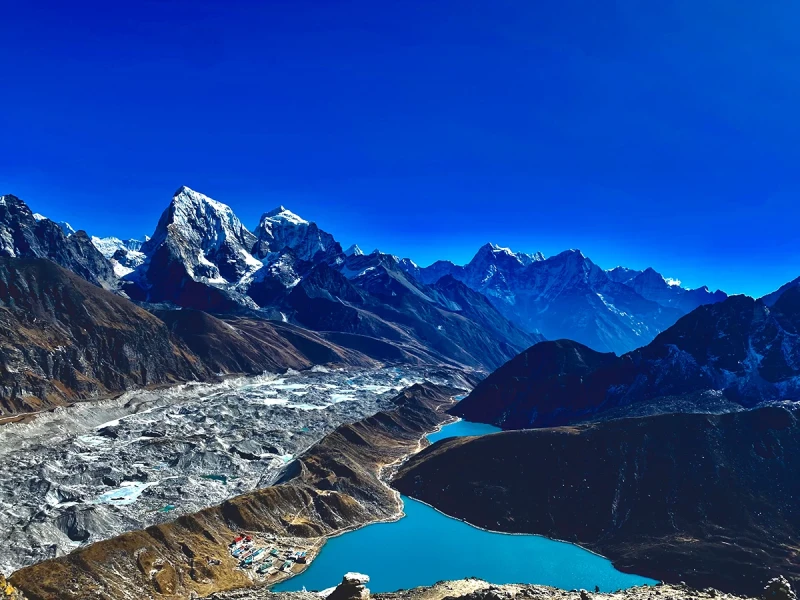
By midday, trekkers reach Kyanjin Gompa at 3,870 meters, the highest permanent settlement in the valley. Kyanjin Gompa is nestled in a wide glacial amphitheater beneath Langtang Lirung and Yala Peak. Travelers check into their teahouse, visit the historic Buddhist monastery, tour the local Swiss-established yak cheese factory and spend a restful afternoon adjusting to the high altitude.
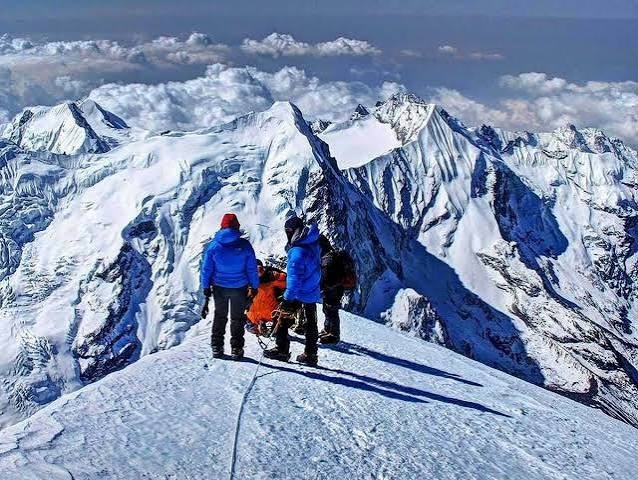
The day starts pre-dawn with a flashlight-lit climb up the steep grassy ridge leading to the summit of Kyanjin Ri at 4,773 meters. Reaching the peak before sunrise rewards trekkers with 360 degree views across Langtang Lirung, Gangchempo, Dorje Lakpa, Yala Peak and the vast Langtang Glacier below.
After taking photographs and enjoying the views, trekkers descend back to Kyanjin Gompa for a warm breakfast and gear packing. The return trek retraces the valley trail downhill past Langtang Village and Ghoda Tabela, making rapid progress in the oxygen-rich lower air to reach Lama Hotel at 2,470 meters for an overnight stay.
Leaving Lama Hotel in the morning, the final day on the foot trail follows a continuous downhill descent through shaded oak and bamboo forests along the Langtang Khola River. The route passes through Bamboo, Pairo and Doman, with the sound of rushing river waters accompanying the walk.
Crossing the final suspension bridges over the Bhote Koshi River, trekkers walk back into Syabrubesi at 1,550 meters to complete their foot circuit. The afternoon is free for hot showers, rest and celebrating the successful completion of the trek with mountain guides and porters.
After an early breakfast in Syabrubesi, travelers board a private vehicle or tourist bus for the return drive back to Kathmandu. The vehicle follows the scenic highway along the Trishuli River gorge, passing terraced farmlands and rural towns.
The drive reaches Kathmandu by late afternoon, where travelers transfer back to their hotels. Day 7 completes the 7 days Langtang Valley Trek schedule with smooth travel connections.
Cost Include
- Overland transportation via private jeep or tourist bus between Kathmandu and Syabrubesi.
- Langtang National Park Entry Permit and TIMS card registration fees.
- Teahouse accommodation throughout the 6 nights 7 days trekking itinerary.
- Drinking water, a sleeping bag, and daily breakfast, lunch, and dinner throughout the trekking period.
- Licensed trekking guides with strong English communication skills, supported by experienced porters.
- All applicable government taxes and service charges.
Cost Exclude
- Personal travel, medical and high-altitude emergency helicopter evacuation insurance.
- Internet Wi-Fi access and electronic device charging fees at teahouses.
- Soft drinks, alcoholic beverages and extra snacks.
- Hot showers and laundry services at teahouses.
- Tips for mountain guides, drivers and porters.
- Personal trekking gear, down jackets and sleeping bags.
Important Notes
- Weather Variability: Mountain weather across the valley changes rapidly, requiring layered clothing systems for heat regulation.
- Essential Clothing: Pack moisture-wicking thermal base layers, fleece jackets, breathable trekking trousers, a down jacket rated for sub-zero temperatures and windproof outer shells.
- Key Gear: Bring a sleeping bag rated for sub-zero temperatures, a sturdy 30 to 40 liter daypack with a rain cover, UV sunglasses, high SPF sunscreen, a headlamp with extra batteries and trekking poles.
- Cash Provisions: Carry sufficient Nepalese cash from Kathmandu for personal expenditures, as ATMs and card processing are unavailable past Dhunche.
- Environmental Protection: Single use plastic water bottles are restricted in conservation areas, making reusable bottles and purification systems mandatory.
Photo Gallery